The first time I took a group that only had 48 hours in Madrid, they literally asked me for “the list of what we can’t miss.” I gave it to them. Three hours later, standing in front of Puerta del Sol, one of them looked at me like, “this was the must-see?” That’s when I understood the real question isn’t just what to see, but what actually deserves the limited time any trip gives you.
Madrid has a handful of places you absolutely have to set foot in, another handful that disappoints more than people admit out loud, and a third group that almost nobody mentions and that ends up with the best photos and the best memories. This guide is about telling the three apart.
What you can’t miss in Madrid: quick summary
| Aspect | What you need to know |
|---|---|
| Undisputed must-sees | Royal Palace, Prado Museum, Retiro Park, Gran Vía, Plaza Mayor |
| The one that disappoints most | Puerta del Sol: visit before 9:30 AM or lower your visual expectations |
| Recommended days | 3 to get oriented, 5 to really understand the city |
| Most expensive mistake | Ordering à la carte at midday instead of the fixed lunch menu (€8-14) |
| Dead hours | 3:00-5:00 PM, low energy; good time for museums with confirmed A/C |
| Best season | April-June or September-October, for weather and fewer crowds |
| Lesser-known spot | Chamberí Ghost Station, by appointment only |
The must-sees that aren’t up for debate
There’s a core group that works for (almost) everyone, and it’s worth having it clear before getting into the nuances.
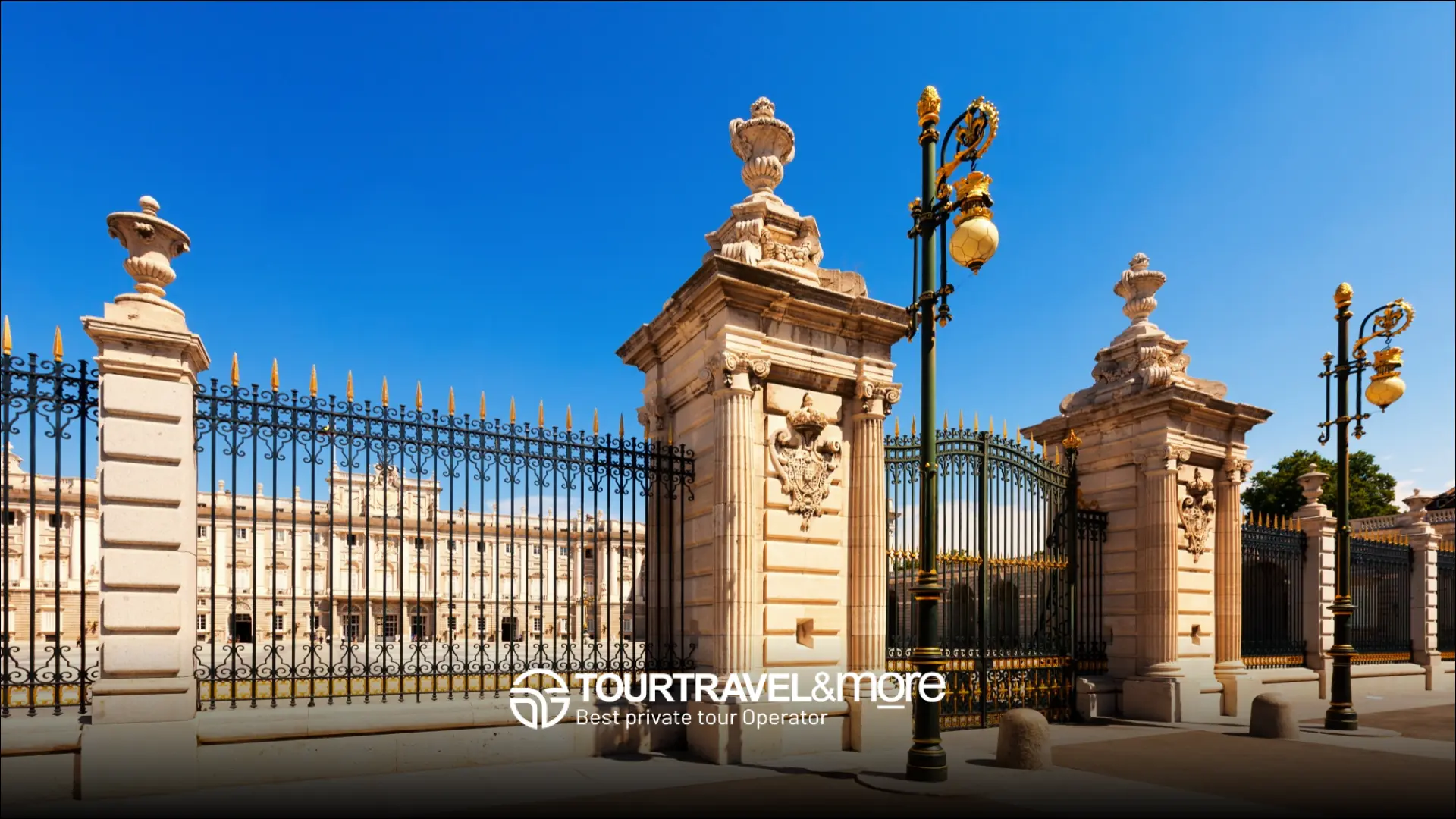
The Royal Palace tops any list for good reason: it’s the largest royal palace in Western Europe by floor area, and its façade, the Plaza de Armería and the Sabatini Gardens can be seen without paying admission. Going inside costs €14 (€13 online) and it’s worth it if you’re interested in the State Rooms and the Royal Armoury, but if your budget is tight, the exterior and Plaza de Oriente already give you the scale of the building.
The Prado Museum is the other stop that’s non-negotiable if you have even a passing interest in art. Velázquez’s Las Meninas, Goya’s The Third of May 1808, and Bosch’s The Garden of Earthly Delights are all there, and you don’t need to be an expert to be stopped in your tracks for a while. General admission is €15, free Monday to Saturday from 6-8 PM and Sundays from 5-7 PM —the line during free hours is long, so pay if you can and skip it.
Retiro Park is the one that best mixes rest and postcard views: the pond with rowboats, the Crystal Palace, and the walk past the statues of Spanish kings. Free entry, open until midnight in summer. It’s one of the few places on this list where you can spend two hours without feeling like you’re “wasting” sightseeing time.
Gran Vía connects a good part of the walking routes and has its own appeal: early 20th-century architecture (the Metrópolis Building, the Telefónica Building), theaters with musicals, and the liveliest atmosphere in the city. No need to set aside a separate visit for it; you’ll cross it on your way between other stops.
And Plaza Mayor, with Mercado de San Miguel right next to it, works well as a short 30-40 minute stop: photos, a beer or a pincho, and moving on. What’s worth knowing is that the market has a reputation for inflated prices for what it offers —fine to try, not to build your whole food experience around.
These five cover, by a wide margin, most of what any “must-see” list repeats. The question almost nobody answers honestly is what happens with the sixth name that always shows up on those lists: Puerta del Sol.
Puerta del Sol: why it disappoints so many people (and how to make the most of it)
Here’s something almost no travel blog admits: Puerta del Sol is, consistently, one of the monuments that disappoints tourists visiting Madrid the most, according to traveler review analyses that place it among the city’s “overrated” spots. And it makes sense: most people arrive expecting a monumental square on the level of Plaza Mayor or the Royal Palace, and find a square that’s smaller than it looks in photos, surrounded by chain stores and, at certain times, packed with people just passing through.
The problem isn’t Puerta del Sol itself, it’s the expectation. Its value isn’t visual, it’s symbolic: it’s Kilometer 0 of Spain’s radial highways, the clock from which the New Year’s Eve bells ring out on TV across the country is right there, and the statue of the Bear and the Strawberry Tree is the city’s official symbol. If you’re looking for a monument that will impress you, you’ll leave disappointed. If you go knowing it’s a place to understand the city, not a postcard, the visit changes completely.
My recommendation after taking groups there at different times of day: stop by before 9:30 AM. At that hour the square is practically empty, the light is better for the photo with the Bear and the Strawberry Tree, and you can read the Kilometer 0 plaque calmly without anyone pushing past you. Visit in the mid-afternoon on a weekday or any time on the weekend, and be ready to share it with several hundred more people —lower your expectations for the experience, not for the historical importance of the place.
How many days you need to not leave hungry for more of Madrid
With three days you have time to get oriented and see the must-sees on this list without rushing. With five days you start to really understand the city: you’ll have room for a couple more museums, an unhurried neighborhood (La Latina, Malasaña), and even a day trip to Toledo or Segovia. From a week on, you stop going from must-see to must-see; you start living Madrid as if you had one foot in the city.
If your trip is a long weekend (2-3 days), focus your effort on the Royal Palace, the Prado (express version, an hour and a half), and Retiro, and comfortably skip the Reina Sofía and the Thyssen: with just that, you’d already double your museum time and end the trip exhausted instead of satisfied. It’s better to leave Madrid wanting more than to leave having seen everything on the surface and remembering none of it clearly. If you only have a single day and want an hour-by-hour sequence already worked out, we have a realistic route for seeing Madrid in one day that solves exactly that case.
The Madrid schedule that throws tourists off
Here’s what really breaks a lot of people’s plans, and almost no article connects it to the “what to see” list: Madrid runs on a schedule that doesn’t match the rest of Europe, and if you don’t account for it, your perfect itinerary falls apart on its own.
Proper restaurants don’t open for dinner until 8:30 PM, and locals eat dinner around 10:00 PM. If you show up hungry at 7:00 PM expecting a relaxed dinner, you’ll find half the places closed and the other half empty and lifeless. At midday it’s the opposite: the fixed lunch menu (between €8 and €14, with a starter, main course, drink, bread and dessert or coffee) is the best value in the city, but it’s only served roughly between 1:30 and 4:00 PM. Ordering à la carte at that hour, when the set menu costs half as much, is one of the most common and most expensive mistakes I see people make.
Between 3:00 and 5:00 PM, especially in the hot months, the city’s pace drops noticeably: some small shops close, the streets empty out, and it’s not the best time to plan a long walk in the sun. It’s the perfect window for a museum with air conditioning… though don’t assume every one will have it either: not all museums, and certainly not all budget hotels, guarantee strong AC in the middle of August. If you’re traveling in summer and air conditioning is non-negotiable for you, confirm it before booking accommodation.
And one last culture shock that surprises quite a few people: in Madrid, nobody wears flip-flops on the street unless they’re headed to a pool or the beach. It’s not a written rule anywhere, but it’s noticeable, and if you’d rather blend in a bit more, it costs nothing to change that detail.
The spots that don’t make the guidebooks (and are worth visiting anyway)
After the must-sees and understanding the schedule, there’s a part that really makes the difference between a trip that was fine and one that’s remembered: the places almost nobody includes on their “what you can’t miss” list, and that often surprise people more than the sixth museum on the classic route.
The Chamberí Ghost Station is, for me, Madrid’s best-kept secret: a metro station closed since 1966 and restored with its original 1919 decor and advertising posters. It can only be visited by appointment, but it’s worth the call. The Pantheon of Illustrious Men, near Atocha, is free, almost never has a line, and holds the tombs of Spanish 19th and 20th century politicians in an impressive building that almost no tourist sets foot in. And the rooftop of the Círculo de Bellas Artes offers one of the best 360° panoramic views of the city for €5, a fraction of what other, far more promoted viewpoints charge.
If you’re traveling with kids or simply want to disconnect from the tourist pace for a couple of hours, the Royal Botanical Garden, next to the Prado, is a calm break among century-old trees for €4-6 (free on Tuesdays from 2:00 PM). None of these four spots will take more than an hour and a half, and together they build a version of Madrid that doesn’t show up on postcards but is the one people remember most fondly once they’re back home.


When to go to avoid the lines and the heat
The best time to visit Madrid, without question, is between April and June or between September and October: mild temperatures, parks at their best (Retiro and Madrid Río in bloom in spring, golden light in autumn), and noticeably fewer tourists than in high season.
Summer has its appeal —nightlife at its best, terraces open late— but between late July and August temperatures frequently hit close to 40°C at midday, which forces you to reorganize any walking route around the harshest sun hours. If summer is your only option, concentrate outdoor visits (Retiro, Templo de Debod, walks) in the early morning or after 7:00 PM, and save midday for museums and indoor spots with confirmed air conditioning.
What you can’t miss in Madrid with Tour Travel & More
Organizing all of this on your own is entirely possible, but the friction adds up: booking tickets weeks in advance to avoid lines, fitting meal times into the rest of the plan, and figuring out on the fly which places are overrated and which aren’t —usually by losing an afternoon at the wrong one.
With Tour Travel & More, these problems disappear:
- 100% private tour, adapted to your group’s pace, not to twenty strangers’
- Official licensed guide who knows exactly when Puerta del Sol is worth it and when it’s better to skip
- Priority access to the Royal Palace and the Prado Museum, no lines or packed free-entry hours
- Route adjusted to Madrid’s real schedule, so the fixed lunch menu and dinner fit without surprises
- 24/7 Guardian Angel Service in case anything unexpected comes up during your stay
In the end, the best “what you can’t miss in Madrid” list isn’t the longest one, it’s the most honest: the one that also tells you what to skip and why. Go home with fewer photos of places that disappoint and more memories of corners that were actually worth it.