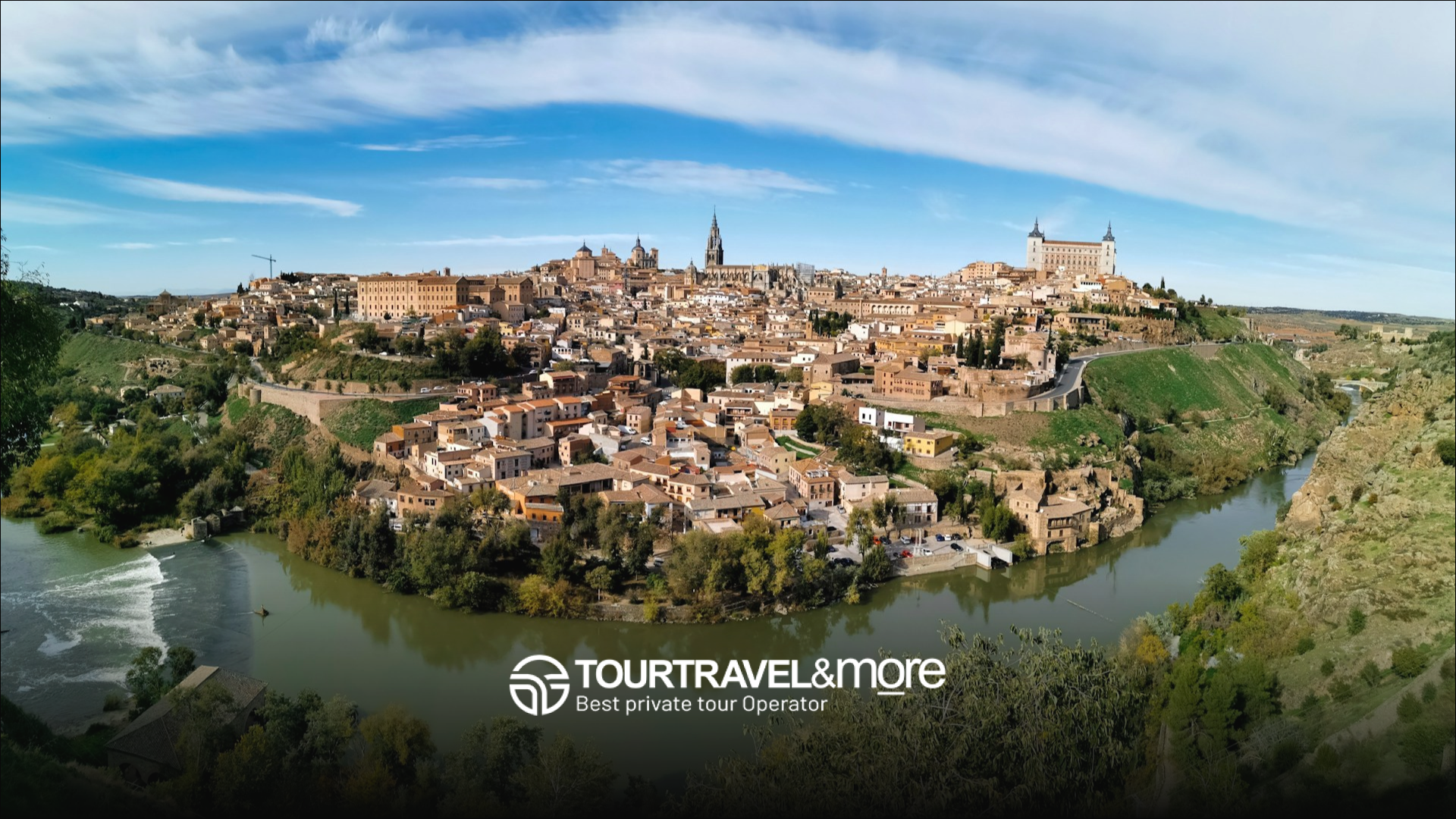
Segovia is 27 minutes from Madrid by train. That figure is real, it is on the Renfe website and every search result repeats it. What no one repeats is that Segovia-Guiomar station sits 7 kilometers from the Aqueduct, so between waiting for the local bus and reaching the old town you lose another 30 or 40 minutes each way.
That gap between what the ticket says and what the journey actually takes is what decides whether a day trip from Madrid works or turns into a race against the clock. And it is exactly what almost none of those “12 best getaways near Madrid” lists bother to mention.
Day trips from Madrid at a glance
These are the destinations that appear on every list, with the full calculation: the journey the ticket sells you, what it costs to get from the platform to the old town, and how many hours you are left with when you leave early and come back in the evening.
| Destination | Outbound journey | From the platform to the center | Real hours there |
|---|---|---|---|
| Alcalá de Henares | Cercanías C-2, around 40 min | 10 min on foot | 8-9 h |
| Aranjuez | Cercanías C-3, 45-50 min | 10 min on foot to the Palace | 8 h |
| Toledo | Avant from Atocha, 33 min | 20 min uphill on foot, or local bus | 7-8 h |
| Segovia | AVE to Guiomar, 27 min | 7 km, 20-minute local bus | 6-7 h |
| El Escorial | Cercanías C-3, 1 h 10 min | 15 min uphill on foot | 6-7 h |
| Ávila | Media Distancia, around 1 h 30 min | 15 min on foot to the walls | 6 h |
| Cuenca | Avant to Fernando Zóbel, 55 min | 6 km, 15-minute local bus | 5-6 h |
| Salamanca | Alvia or Avant, 1 h 40 min | 15 min on foot | 5 h |
The first four leave you enough slack to eat without watching the clock. The last four do fit, but only with the itinerary decided before you leave.
The maths that decides whether a day trip fits
A day trip from Madrid gives you between 10 and 12 usable hours: leaving around 8:00 and getting back between 19:00 and 21:00. From that you have to subtract three things, not one.
The first is obvious: the journey out and back. The second is the one almost nobody calculates: the stretch between the arrival station and the thing you came to see. The third is the one that hurts most, because you never get it back: the buffers. Arriving at Atocha twenty minutes early, waiting for the connection, leaving the monument in time not to miss the train home.
Once you have done that subtraction, the rule is simple. If the journey plus the internal transfer keeps the outbound trip under an hour, the day leaves you 8 or 9 real hours and there is room to improvise. If it comes to around an hour and a half, you have 6 or 7 hours: enough for a compact old town, tight for one with museums. If it goes over two hours, you have 5, and the day becomes a timed visit where one unexpected queue swallows half the trip.
Applying this calculation reshuffles the usual lists. Segovia, which looks like the fastest destination of all thanks to those 27 minutes on the train, ends up leaving you fewer usable hours than Toledo. And Alcalá de Henares, which almost never makes the top of anyone’s list, is the getaway that leaves you the most free time of all.
Toledo: the best value trip, with two catches
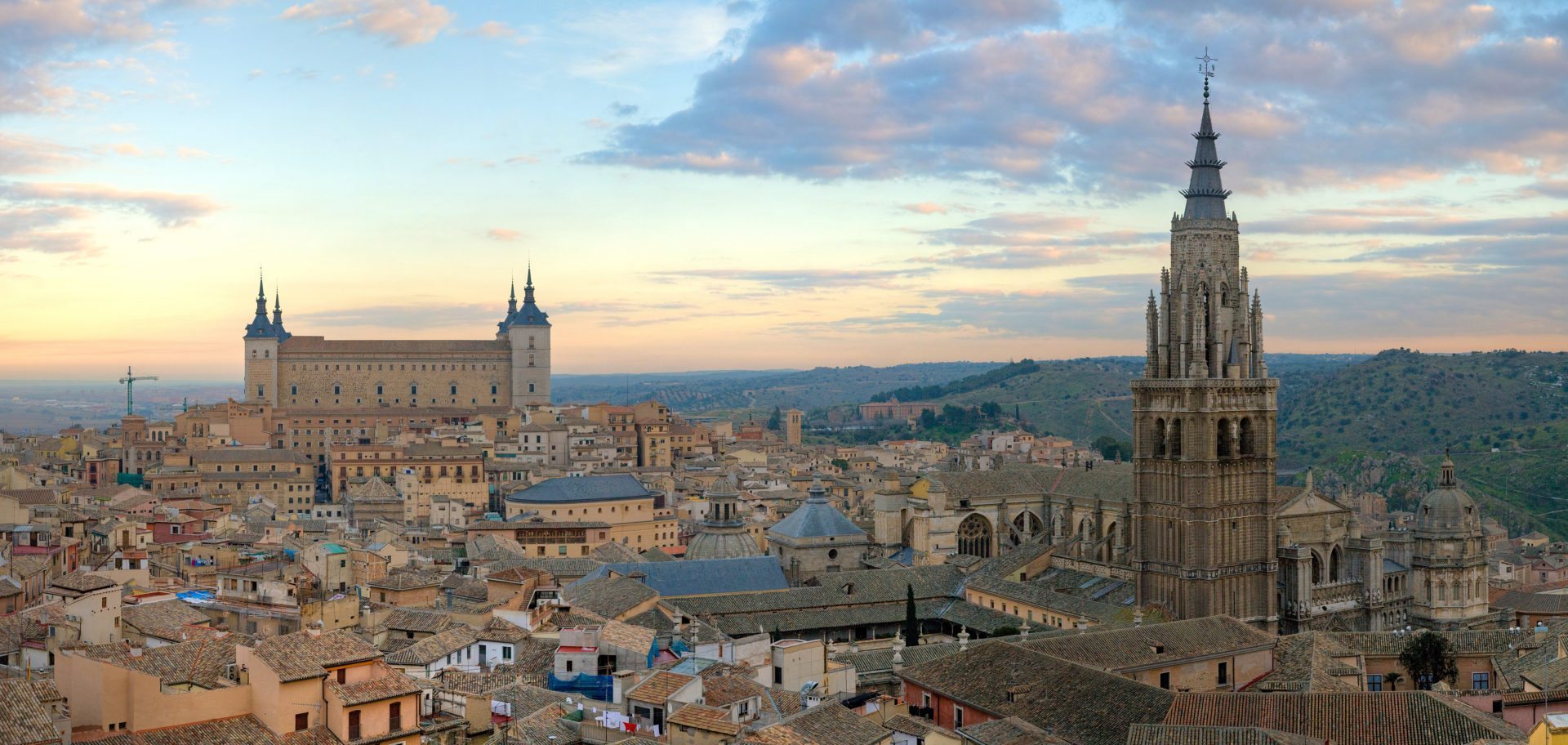
Toledo is the default answer when someone asks which day trip to take from Madrid, and rightly so: a World Heritage city with a Gothic cathedral, synagogues, El Greco and an old town you can cover entirely on foot. The Avant leaves Madrid-Puerta de Atocha and reaches Toledo in 33 minutes with no intermediate stops.
The first catch is frequency. This is not a train every half hour: there is an average of six departures a day Monday to Friday and five at weekends, with the first around 6:50 on weekdays and 8:50 at weekends. In high season and on long weekends they sell out days in advance, so you buy the outbound and the return together, and you buy them early. Turning up at Atocha at nine in the morning on a Saturday in May expecting to “catch the next one” is the fastest way to lose your day trip.
The second catch is geography. Toledo station is beautiful —Neo-Mudéjar, one of the most distinctive in Spain— but it sits down by the river, and the city is up on the hill. From the platform to Plaza de Zocodover it is about 20 minutes on foot, crossing the Alcántara bridge and riding the outdoor escalators, or a local bus. That is forty minutes round trip on top of the 33 on the train.
Even with both catches, Toledo is still the day trip with the best ratio between what it costs to get there and what is waiting when you arrive. With the first train out and the last one back you get 7 or 8 hours in the city: enough for the cathedral, Santo Tomé, the Jewish quarter, a long lunch and still a while at the Mirador del Valle before heading home.
 Private
 Private
 Private
Segovia: where the fast train doesn’t always win
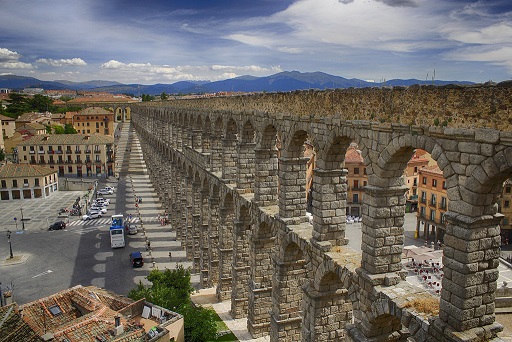
This is the most counterintuitive case anywhere around Madrid. The AVE takes 27 minutes to Segovia-Guiomar and is, on paper, the quickest trip you can make from the capital. In practice, it isn’t.
Guiomar sits about 7 kilometers from the old town. The connection is local bus line 11, which links the station to the city in around 20 minutes and is timed to the arriving trains. Adding the wait and the ride, the real outbound journey comes to about an hour. Same calculation on the way back, with the extra twist that missing that bus means missing the train.
The alternative is the coach from the Moncloa interchange, which takes about 1 hour 20 minutes but drops you at Segovia bus station, a ten-minute walk from the Aqueduct. In other words: the coach takes almost three times as long as the train and, door to door, the difference shrinks to twenty or twenty-five minutes. With far more frequent departures and none of the rigidity of a timed ticket.
What waits for you there justifies either option. The Roman Aqueduct, the Alcázar and the cathedral are lined up along little more than a kilometer of old town, so Segovia works well in five or six hours. The addition almost nobody manages to fit in on their own is La Granja de San Ildefonso, with its gardens and fountains, 11 kilometers away: on public transport that is another bus and another wait; by car, twenty minutes.
El Escorial, Aranjuez and Alcalá: the Cercanías getaways
These three have something none of the others do: they are covered by the standard Cercanías fare, there is no timed reservation, and you can decide on them the night before. They are the day trips from Madrid with the least friction of all.
| Destination | Line and journey time | What you see | When it makes sense |
|---|---|---|---|
| Alcalá de Henares | C-2 from Atocha, around 40 min, departures every 15 min | The University, Cervantes’ birthplace and the arcaded Calle Mayor; a World Heritage city | When you want a short getaway with no reservations and no fixed timetable |
| Aranjuez | C-3, 45-50 min | The Royal Palace, the Prince’s Garden and the Casa del Labrador, beside the Tagus | Spring and autumn, when the gardens are at their best |
| El Escorial | C-3, 1 h 10 min, plus a 15-minute walk uphill | The Monastery of San Lorenzo, the royal pantheon and the library | Hot days: you are in the mountains and it is several degrees cooler |
Alcalá is the most underrated of the three. It is forty minutes away, trains leave every quarter of an hour and the old town is a ten-minute walk from the station. It leaves you eight or nine usable hours, more than any other destination on this list, and it still tends to rank below getaways that leave you half as much time.
Aranjuez plays in the same league, with one condition: it is a seasonal destination. The Royal Palace and its historic gardens are made for strolling, and strolling along the Tagus floodplain at midday in August is not appealing. In spring and autumn, on the other hand, it is probably the most pleasant of the three.
El Escorial works differently. The monastery is enormous and a proper visit takes a good two hours, so the day fills up on its own between the journey, the climb from the station and the building itself. What does not fit on public transport is the Valley of Cuelgamuros, thirteen kilometers away with no direct connection from the station: to combine it with the monastery you need a car.
Ávila, Cuenca and Salamanca: they fit, but with no slack
Past the hour-and-a-half mark you enter a different category. These three are perfectly feasible day trips, but they require deciding what you are going to see before you leave, and accepting that the rest stays off the list.
Ávila is a long hour and a half away on a Media Distancia train, with some services coming in under that. The city has the advantage of being compact: the most complete medieval walls in Europe enclose an old town you can cross on foot in twenty minutes, and you can climb up onto the ramparts and walk them from above. Six hours is plenty. The classic mistake is trying to add Segovia the same day by train, because that forces you back to Madrid and out again.
Cuenca repeats Segovia’s problem, only worse. The Avant takes about 55 minutes to Fernando Zóbel, but the station sits 5 or 6 kilometers from the old town and you have to connect by local bus, another 15 minutes. And Cuenca’s old town is not flat: it is perched on a rock between the Huécar and Júcar gorges, so getting around it is more tiring than the map suggests. In five or six hours you can see the Hanging Houses, the San Pablo bridge and the Museum of Abstract Art, and not much more.
Salamanca is the tightest of the three. The Alvia takes 1 hour 40 minutes on weekdays; at weekends some Media Distancia services stretch to 2 hours 39 minutes, which turns the day into a non-starter. With the fast train you are left with about five hours: the Plaza Mayor, the two cathedrals and the university façade, without going inside much of anything. Salamanca is one of those places that gains enormously from a night in between.
The destinations where the problem isn’t distance, it’s the connection
There are places near Madrid that are an hour and a half away by car and, on public transport, simply are not there. It is not a question of kilometers: it is that the intercity bus network was never designed for travelers with a single day.
| Destination | By public transport | With a private vehicle | What changes |
|---|---|---|---|
| Consuegra (windmills) | About 3 h 20 min with a change in Toledo, or 2 direct coaches a day from Estación Sur | 1 h 25 min – 1 h 45 min | Goes from unfeasible in a day to combinable with Toledo on the same trip |
| Valley of Cuelgamuros | No direct connection from El Escorial station | 20 min from the monastery | Lets you see monastery and valley the same day without sacrificing either |
| Chinchón | Bus 337 from Conde de Casal, around an hour | 50 min | Frees up the schedule: the last buses back otherwise dictate your whole afternoon |
| La Granja de San Ildefonso | Local bus from Segovia, with waits | 20 min from the Aqueduct | Turns Segovia into a two-stop day trip instead of one |
| Patones de Arriba | Several connections with widely spaced departures | 1 h | A black-architecture village that eats the whole day on public transport |
Consuegra is the clearest example. The windmills on the Calderico ridge are just over a hundred kilometers from Madrid, but getting there on public transport means going to Toledo, waiting close to an hour and catching an intercity bus: around three hours and twenty minutes each way. By car it is an hour and a half, and they sit just south of Toledo, so the two fit comfortably into the same day.
That is the real difference between organizing it yourself and doing it with a private driver. It is not comfort: it is recovering the three or four hours that waits and transfers take out of your day.
Where each destination is, and what it really costs to get there
Plotted on a map, the area around Madrid sorts itself out. In gold, the destinations that fit comfortably into a day; in gray, those that fit but with no slack; in brown, the ones where a private vehicle changes the day completely.
Day trips from Madrid, ranked by what it really costs to get there
Fits comfortably in a dayFits, but with no slackBetter with a private vehicleStarting point
Salamanca
Fits, but with no slack
Alvia in 1 h 40 min on weekdays; some weekend services stretch to 2 h 39 min. About five hours left: Plaza Mayor, the cathedrals and the university, seen from the outside.
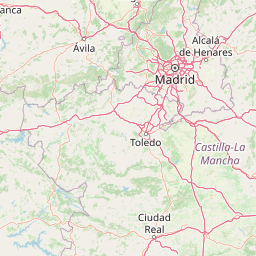
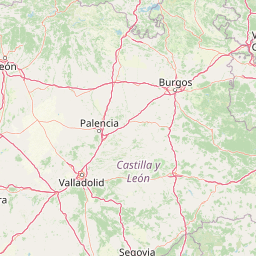
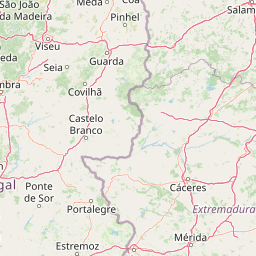
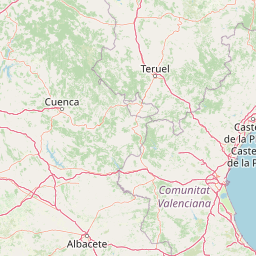
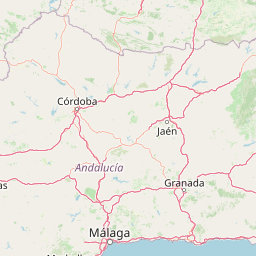
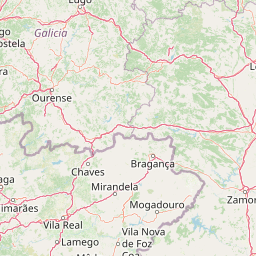
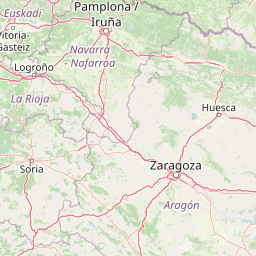
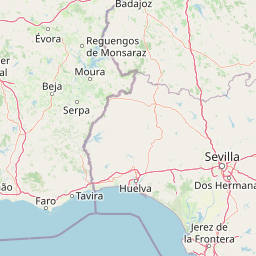
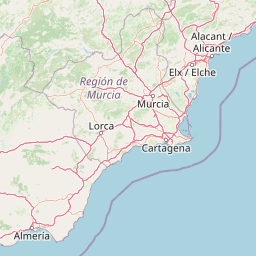
What you see at a glance is that the destinations are not scattered at random: Toledo, Aranjuez and Consuegra fall to the south along the same corridor; Segovia, Ávila and El Escorial cluster to the northwest, behind the mountains; Alcalá and Cuenca sit to the east. That matters when you want to combine two in one day, because it only works when they share a direction.
The combinations that do work in a single day with a private vehicle are Toledo and Consuegra, El Escorial and the Valley of Cuelgamuros, Segovia and La Granja, and Ávila and Segovia if you set off early. The one that almost never works is squeezing two large World Heritage cities with museums into the same day: you end up seeing both from the outside.
If what you want is the city rather than the surroundings, the itinerary for making the most of a day inside Madrid is in Madrid in one day: a realistic walking route.
Day trips from Madrid with Tour Travel & More
Lining up the Avant to Toledo before it sells out, checking whether bus 11 in Segovia connects with your train home, or working out whether Consuegra fits on the same day as Toledo is more planning than anyone wants to do on holiday.
With Tour Travel & More, that friction disappears:
- 100% private tour — The itinerary adapts to the destinations you actually care about, with no dependence on train frequencies or local buses.
- Official licensed guide — Knows what can be seen properly in Toledo, Segovia or Ávila given the hours you really have, and reorders the visit on the fly.
- Luxury vehicle with a professional driver — Hotel pickup and arrival at the door of each monument: it turns Consuegra, Cuelgamuros or La Granja into viable stops rather than impossible ones.
- Tailor-made combinations — Toledo and Consuegra, El Escorial and the Valley of Cuelgamuros, Ávila and Segovia, or Ávila and Salamanca in the same day.
- Guardian Angel Service 24/7 — Human coordination before, during and after the trip, in case the plan changes along the way.
The question isn’t where to go, it’s how many hours are left when you arrive
The list of destinations around Madrid is practically the same on every website, because the places worth seeing within two hours of the capital are the ones they are. What separates a good day trip from a bad one is not having picked Toledo over Segovia.
What separates them is having done the maths properly: the train, the local bus nobody mentions, the climb up from the station and the buffer for getting back. Before booking any day trip from Madrid, the useful question is not “what is there to see”, but “how many hours will I actually have left when I get there”.
- Just your group
- Licensed guides
- Free cancellation