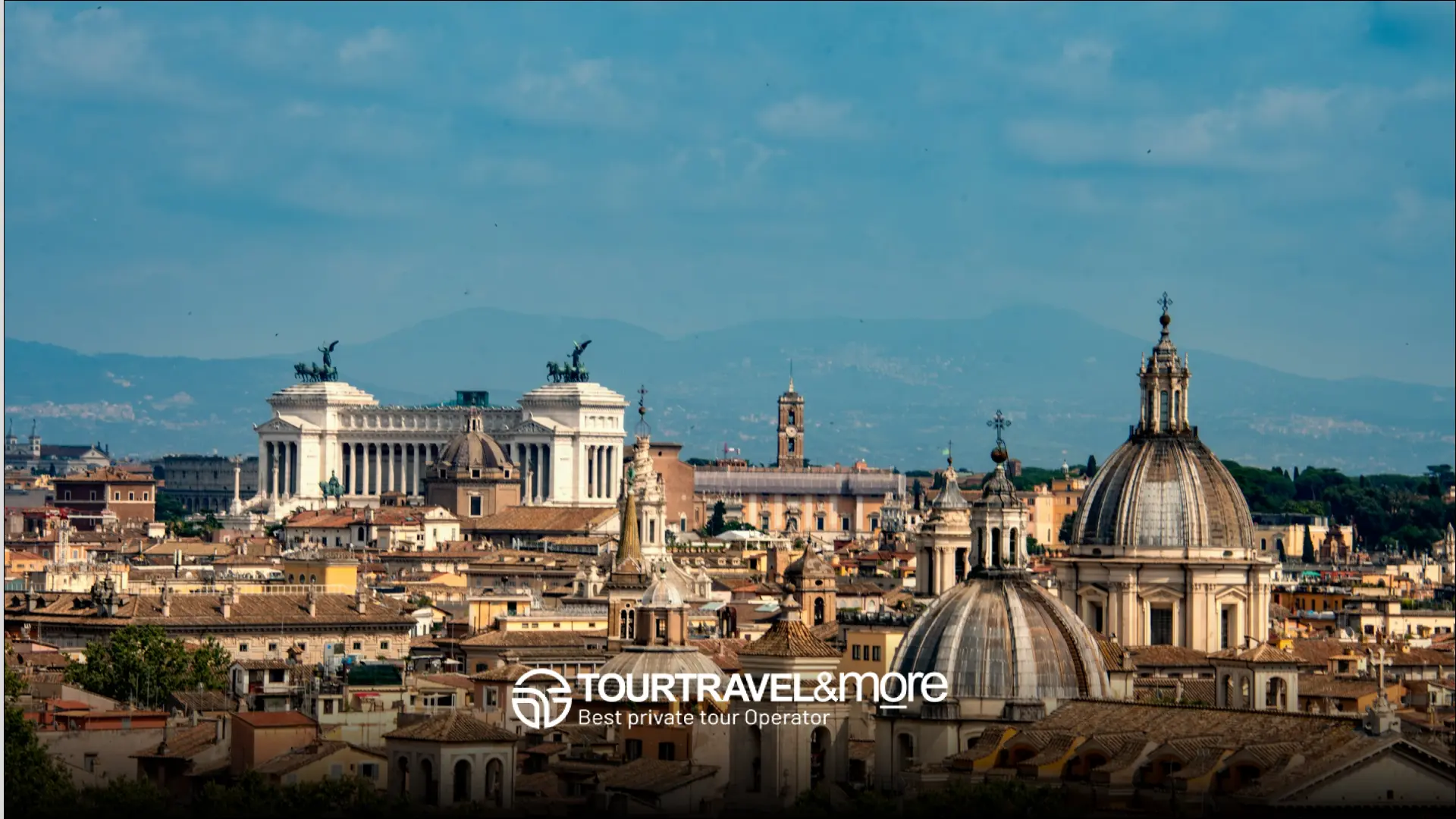
I arrived in Rome with a list of twelve places and a map covered in pins scattered across the entire city. On the first day, before leaving the hotel, I connected the dots: the Vatican was marked right next to the Colosseum on my “day one must-sees” list, and between the two there were forty minutes on the metro with two transfers. I scrapped the list that same morning and started over, this time with a different criterion: not what I wanted to see first, but where each thing actually was in relation to everything else.
With three full days ahead, that shift in criteria was what made the difference between moving through the city on a plan and surviving on the metro. Rome in 3 days doesn’t work well organized as a list of “top sights”: it works organized neighborhood by neighborhood.
Why I organized Rome by neighborhood instead of by list of sights
Almost every “Rome in 3 days” itinerary I read before traveling split the visits by popularity: day 1 the three most famous sights, day 2 the next five, day 3 whatever was left. The problem is that this logic ignores something basic: Rome has a river running through it, and that river separates two areas that almost never work well back to back in the same afternoon.
What I discovered by walking is that the Vatican and Trastevere sit on the same bank of the Tiber, barely twenty minutes on foot from each other, while the Centro Storico and ancient Rome are on the other side, much closer to each other than to either of the two above. No guide explains it this way, but it’s the real key to not losing your morning crossing bridges back and forth for no reason.
With that clear, I split the three days by riverbank and real proximity, not by which sight sounded better on the list.


What to book before you travel and how much each ticket costs
Before splitting the days by neighborhood, there are three bookings you need to lock in from home, because arriving without them changes the whole plan. Prices shift from one season to the next, so confirm them on the official website shortly before you travel; what doesn’t change is the minimum lead time worth leaving.
The warning that would have saved me the most trouble: the Vatican Museums are closed on Sundays, except for the last Sunday of each month, which opens free of charge but gets far more crowded than usual. If Day 3 of your trip falls on a Sunday, it’s worth swapping the order and leaving the Vatican for another day of the itinerary.
 Private
 Private
 Private
Day 1: Ancient Rome and Monti — the neighborhood that demands an early start
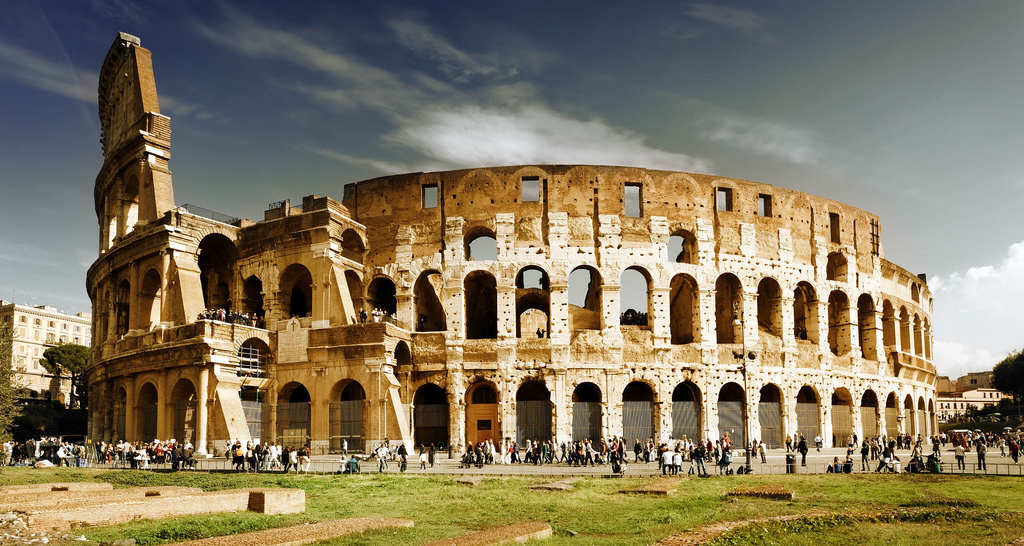
The Colosseum and the Roman Forum share an entrance and area, so this day is built entirely around that timed booking. Arriving at 8:30 AM, half an hour before most people’s official start time, made the difference between walking straight in and queuing under the sun.
Monti, the neighborhood right next to the Colosseum on the north side, turned out to be the find of the day: narrow streets with local designer shops, far less touristy than the area immediately around the amphitheater, and where I had the best meal of the three days without really looking for it.
What I deliberately left out this day was anything on the other side of the river. Neither the Vatican nor Trastevere made the plan, which meant not spending a single minute on the metro all day.
Day 2: Centro Storico — Rome’s walkable heart
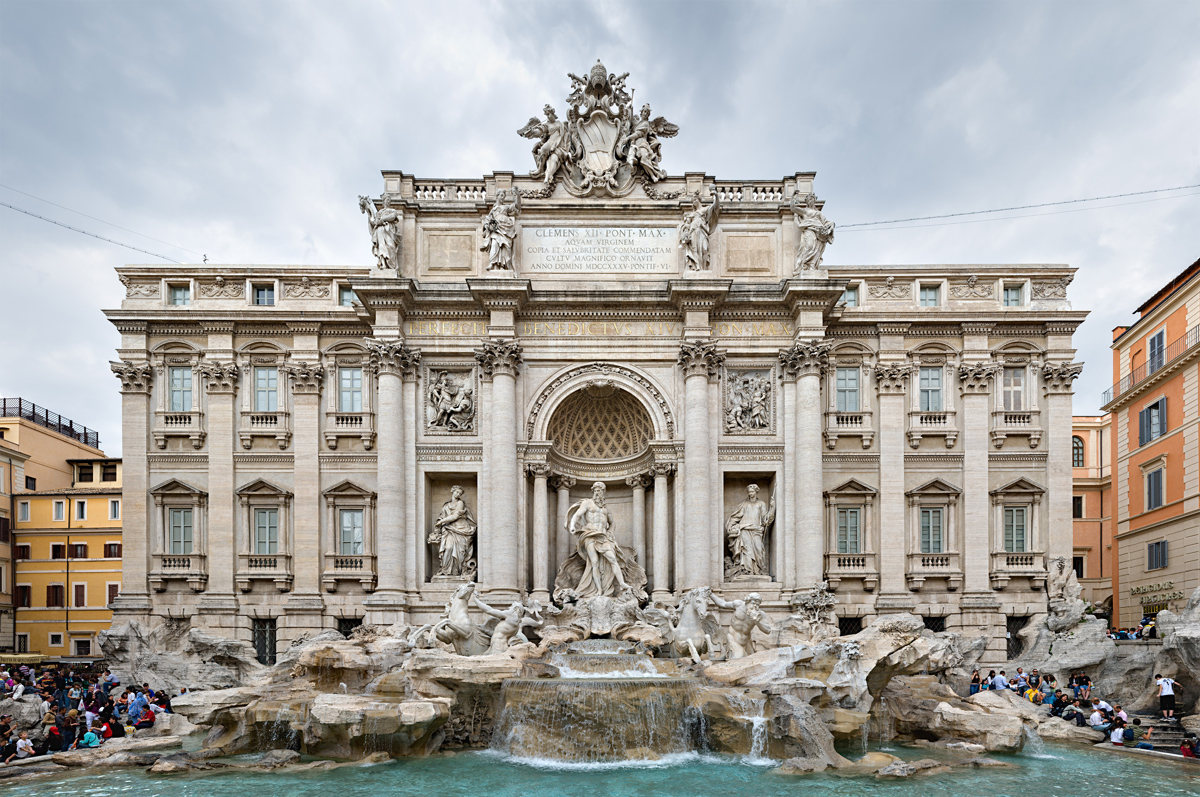
This is the only one of the three days you cover entirely on foot with no transport, because the Pantheon, Piazza Navona, the Trevi Fountain and Campo de’ Fiori are all within fifteen minutes of each other. The challenge isn’t distance, it’s the bookings: the Pantheon requires a free online reservation since 2023, and showing up without one means being turned away at the door.
I started at the Pantheon right when it opened, before it filled up, moved on to Piazza Navona at an easy pace, and left the Trevi Fountain for late morning, when there were fewer groups posing in front of it. Campo de’ Fiori, with its flower and produce market, worked better as a midday stop than as a sightseeing spot: I ate standing up there, among locals doing their shopping rather than tourists.
Piazza di Spagna closes out the day well because it doesn’t require moving to another area or checking the map again: it’s the last stop before dinner without ever having left the Centro Storico.
Day 3: Vatican and Trastevere — why they belong together even though nobody pairs them
This was the day that surprised me most to plan, because none of the itineraries I read before traveling put the Vatican and Trastevere in the same block. Most separate them: the Vatican as “half a day on its own” and Trastevere as “tapas night.” The problem with that split is that it forces you to cross the river on two separate days when, in reality, both neighborhoods are on the same side.
St. Peter’s Basilica and the Vatican Museums take up the whole morning, security check included: I budgeted three hours and barely made it. I ate at Borgo Pio, the alley right behind the colonnade, and in the afternoon walked along the river down to Trastevere instead of taking transport, a twenty-minute walk that turned out to be more pleasant than any metro ride of the three days. If you’d rather not walk it, bus 23 or a taxi cover the same route in 10-12 minutes.
Trastevere in the late afternoon and evening was the perfect close: less monument, more neighborhood life, with time to sit in a square without checking the clock because there was nothing left to check off.
Rome in 3 days with Tour Travel & More
I organized the three days myself, grouping neighborhoods by riverbank, and it worked. But there were moments, especially the Vatican morning, when I would have given anything not to rely on my own timing with the security line already forming ahead of me.
With Tour Travel & More, that part of the trip stops depending on you:
- Official licensed guide by neighborhood — Knows the real shortcuts between Monti, the Centro Storico and the Vatican, not just the route the map shows.
- Priority access to the Colosseum and the Vatican Museums — No hours-long queue eating up half your morning.
- Luxury vehicle with chauffeur for the trips between riverbanks, if you’d rather not walk along the river.
- Itinerary tailored to your specific three days, not a generic template built for any tourist.
The difference between visiting Rome and experiencing it neighborhood by neighborhood
With the three days done, what really changed everything was ceasing to think in terms of a list of sights and starting to think in terms of a map with a river running through it. Ancient Rome and Monti on the first day, the whole Centro Storico on foot on the second, the Vatican and Trastevere together on the third for being on the same side of the river: that order, not each site’s fame, was what made the three days flow without ever feeling like rushing from one side to the other.
If I go back to Rome with three days ahead of me, I’d repeat exactly this logic: the neighborhood first, the list second.
- Just your group
- Licensed guides
- Free cancellation