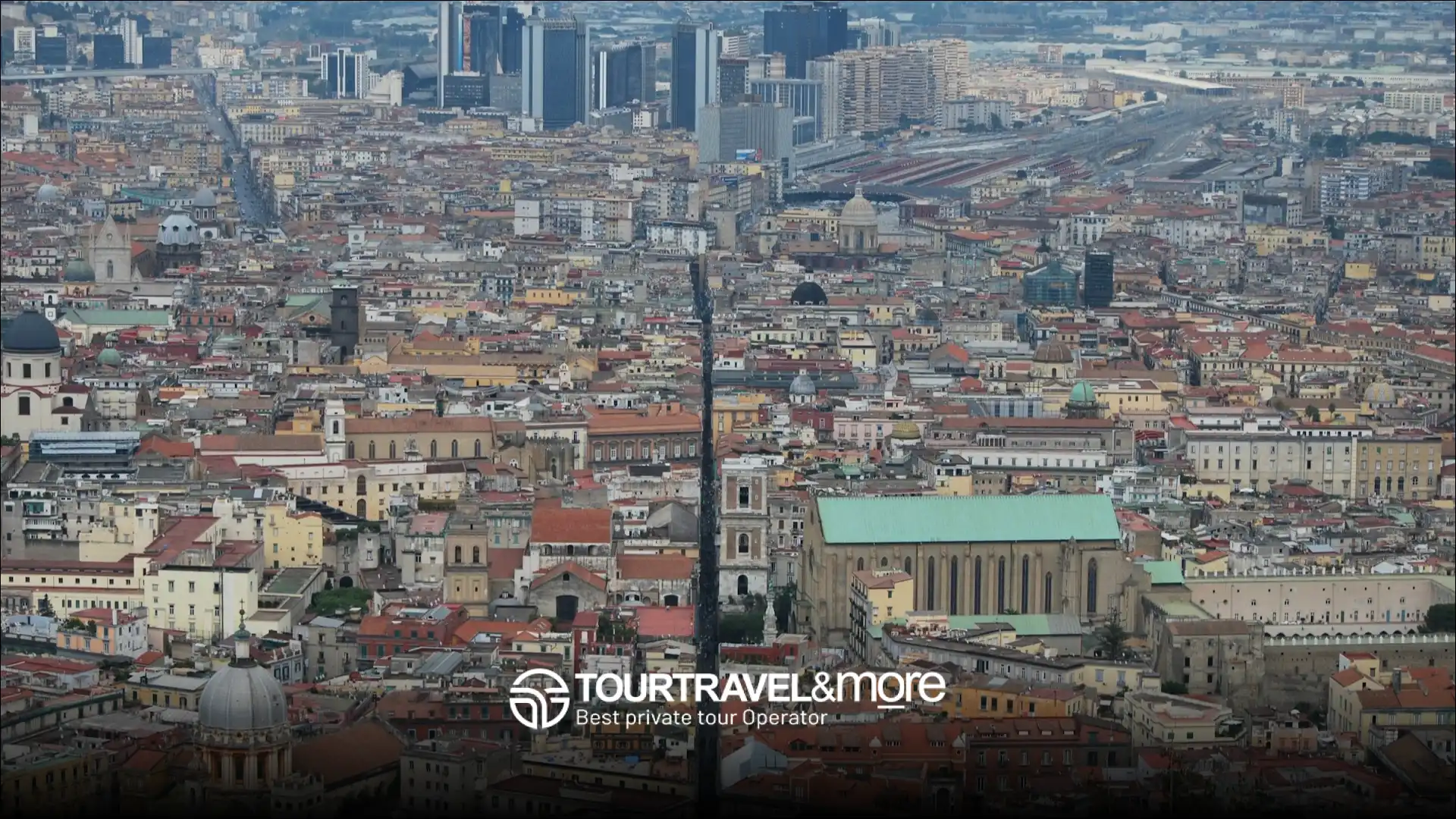
Naples throws almost everyone off on a first visit. Not because it’s dangerous, not because it’s chaotic — though it is — but because it doesn’t work like any other Italian city. Visitors who arrive expecting a rougher version of Rome leave disappointed. Those who arrive ready to be surprised leave in love.
These are the most common mistakes on a first trip, what causes each one, and how to avoid them.
| Mistake | Consequence | Quick fix |
|---|---|---|
| Booking only 1 or 2 days | You leave without seeing the essentials | Minimum 3 full days |
| Staying far from the historic centre | More transfers, less experience | Spanish Quarter or Chiaia |
| Going in July or August without planning | Exhausting heat, crowds, long queues | April-May or September-October |
| Eating at the first place you see | Mediocre pizza at tourist prices | Look for locals queueing or the STG seal |
| Not booking Pompeii or the MANN in advance | 1-2 hour queues or no entry at all | Book online 1-2 weeks ahead |
| Taking the first taxi without agreeing a price | Outrageous fare on arrival | Official white taxi with meter |
| Not carrying cash | Can’t pay at markets, pizzerias and traditional bars | Minimum €50 in small notes |
| Ignoring underground Naples | Missing one of the most unique experiences in the city | Book an underground tour on day one |
Going with too little time
The most common trap: Naples as a day trip from Rome or a stopover on the way to the Amalfi Coast. In 24 hours you’ll barely cover the historic centre and one pizza. In 48, you can visit the MANN (National Archaeological Museum) and get to Pompeii. At 72 hours the real city starts to reveal itself: the Pignasecca market, the Rione Sanità, the views from Posillipo.
If day trips are on the agenda — Pompeii, Herculaneum, Capri, the Amalfi Coast — add at least one day per excursion. These are not quick outings: Pompeii alone needs 3 to 4 hours to be done properly.
| Days in Naples | What you can see |
|---|---|
| 1 day | Historic centre, one pizzeria, walk along the harbour |
| 2 days | + MANN, Spaccanapoli, Spanish Quarter, Castel dell’Ovo |
| 3 days | + Pompeii or Herculaneum + less touristy neighbourhoods |
| 4-5 days | + day trip to Capri or the Amalfi Coast |
Choosing accommodation outside the centre out of safety fears
This is the mistake that causes the most regret: staying near the airport, on the outskirts or in roadside hotels because “the centre looks dangerous in photos”. Naples’ historic centre is a UNESCO World Heritage Site, buzzing with life until the early hours, and home to the highest concentration of everything worth seeing.
The best areas to stay are the Quartieri Spagnoli (Spanish Quarter) and Chiaia. Both are safe, well connected and drop you straight into Neapolitan life from the moment you arrive.
Confusing chaos with danger — or danger with chaos
Naples has a reputation as a dangerous city that doesn’t match the real experience of most visitors. At the same time, some tourists arrive so relaxed that they make avoidable mistakes.
The truth is somewhere in the middle: pickpocketing and motorbike theft do happen, especially near the Central Station and on public transport during rush hour. Three simple measures are enough: don’t walk around with your phone in your hand, use a front-facing backpack or cross-body bag, and avoid the area around the station at night.
The neighbourhoods with a bad tourist reputation — Quartieri Spagnoli, Rione Sanità — are perfectly safe to explore during the day and offer some of the best experiences in the city. The Rione Sanità in particular has undergone a remarkable transformation in recent years: youth cooperatives, cultural projects and restaurants serving honest Neapolitan cooking that won’t appear in any mainstream guidebook.
 Private
 Private
 Private
Eating at the first place you see
Naples is the city of pizza. It’s also the city where the most mediocre pizzerias survive on tourist footfall. Spotting the good ones takes a bit of know-how:
- The STG seal (Specialità Tradizionale Garantita) on the door guarantees the pizza follows the official Neapolitan recipe: San Marzano tomatoes, buffalo mozzarella or fior di latte, dough fermented for a minimum of 8 hours, wood-fired oven at 485°C.
- A queue of locals is a better indicator than any Google review. If Neapolitans are waiting, the pizzeria is good.
- A rough price guide: a margherita or marinara at a decent pizzeria in the centre runs between €5 and €9. Above €12-14, you’re paying for the location, not the quality.
Beyond pizza: the friggitore (street fry shop) is one of the great pleasures of Naples. The cuoppo — a paper cone filled with fried fish or vegetables — costs between €3 and €5 and is a full meal in itself. Street cart pizzerias (pizza a portafoglio) fold the pizza into four to eat while walking: €1.50 and one of the best things you can put in your mouth in Italy.
Not booking tickets in advance
Two visits that need booking at least a week ahead in mid-season, and two weeks at Easter and in summer:
Pompeii: tickets sell out. Opening hours are 9:00 to 19:00 (17:00 in winter). Without a booking in high season, you could face a 1-2 hour wait or find no entry available at all.
MANN (National Archaeological Museum of Naples): home to the most important collection of Roman art in the world, including the Farnese collection and thousands of objects excavated at Pompeii and Herculaneum. Tickets can be booked online, but many visitors leave it to chance and waste hours queuing — or simply don’t get in.
One visit almost nobody books in advance but worth sorting on the first day: the Catacombs of San Gennaro in the Rione Sanità. Guided tours only (departing every 30-40 minutes), limited capacity, and one of the most surprising places in the city. They sit in a living neighbourhood, not a museum: stepping out of the catacombs and having a coffee in the square outside is part of the experience.
Getting around the city badly
Transport in Naples has its unwritten rules.
Taxi: official white taxis with a meter only. The drivers waiting outside the Central Station offering a “fixed price” are not always reliable. The fare from the airport to the centre is officially regulated (check the current amount on the sign at the arrivals exit). If the driver doesn’t start the meter when you set off, agree a price before you get in — or get out.
Metro: lines 1 and 2 cover the main points of interest. Line 1 has stations that are works of contemporary art in their own right — Toledo, Dante, Università — designed by international artists. A single ticket costs €1.30.
On foot: the historic centre is compact but hilly. Castel Sant’Elmo and the Vomero neighbourhood sit on a hill; the most comfortable way up is the funicular, not on foot.
Car hire: no point whatsoever inside the city. Traffic is chaotic, parking is near impossible and illegal parking attendants (parcheggiatori abusivi) demand money in most spots. For trips outside Naples, a car can make sense — particularly for the Amalfi Coast — but the train covers Pompeii, Herculaneum and Sorrento perfectly well.
Ignoring the surroundings
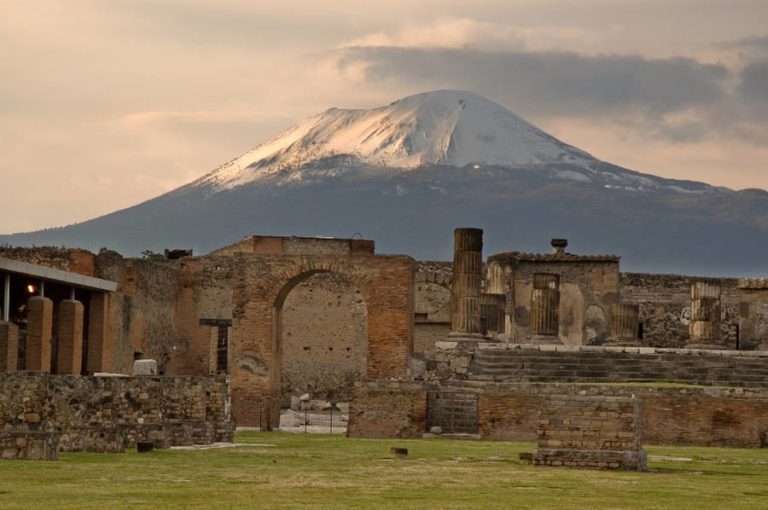
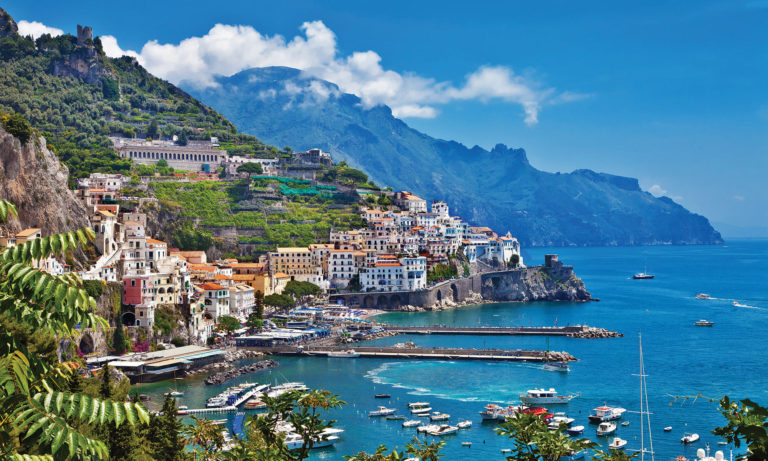
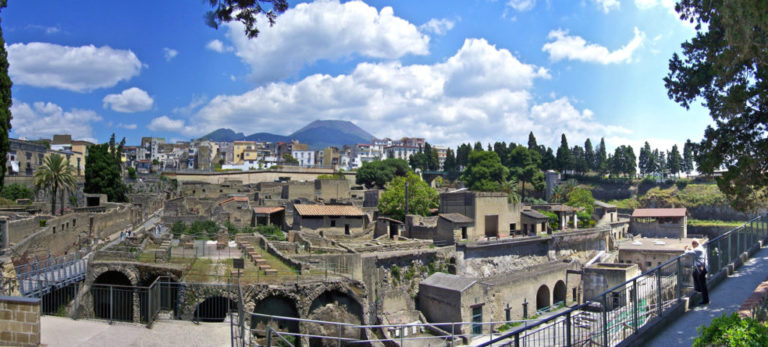
Naples has the best geographical position in southern Italy for day trips. Staying only in the city without exploring what’s around it is one of the most common planning mistakes, especially if the return flight leaves from Naples.
| Day trip | Distance from Naples | Recommended time |
|---|---|---|
| Pompeii | 25 km · 35 min by train | 4-5 hours |
| Herculaneum | 12 km · 20 min by train | 2-3 hours |
| Capri | 50-80 min by ferry | Full day |
| Positano / Amalfi Coast | 50 km · 1.5 h by car | Full day |
| Vesuvius | Bus from Pompeii | Half day |
Herculaneum is usually far less crowded than Pompeii and, in many ways, better preserved: the frescoes, carbonised furniture and skeletons in the harbour vaults offer a more intimate picture of what Roman life actually looked like.
Going in summer without preparing
July and August in Naples are tough: temperatures of 35-38°C, high humidity, long queues at every monument and higher prices. It’s not a bad time to visit per se — it’s a time that demands more planning.
If summer is unavoidable: book tickets weeks in advance, start visits before 9:00 to make the most of the mornings, and avoid Pompeii between 11:00 and 16:00 — it’s an open site with no shade under direct sun, and the heat can be brutal.
The best times to visit are April-May (mild temperatures, fewer crowds, mid-range prices) and September-October (moderate heat, the sea still warm enough for swimming on trips to Capri or Amalfi). December and January have their own appeal: the city fills with handcrafted Neapolitan nativity scenes and Via San Gregorio Armeno — the street of nativity artisans — becomes a spectacle in itself.
Not exploring underground Naples
Beneath the streets of the centre lies a parallel city: forty metres of tunnels, Greek cisterns dating back to the 3rd century BC, early Christian catacombs and air raid shelters used during the Second World War. Most tourists never see any of it.
The two main entry points are in the heart of the historic centre and tours last between 60 and 90 minutes. Napoli Sotterranea (entrance from Piazza San Gaetano) is the best known; the Catacombs of San Gennaro in the Rione Sanità have a more historical and religious focus and are run by a cooperative from the neighbourhood itself.
This isn’t a visit for history enthusiasts only: it’s one of the most memorable experiences Naples has to offer, especially in summer, when the temperature underground drops to 15°C. Book on your first day to avoid missing out.
- Just your group
- Licensed guides
- Free cancellation