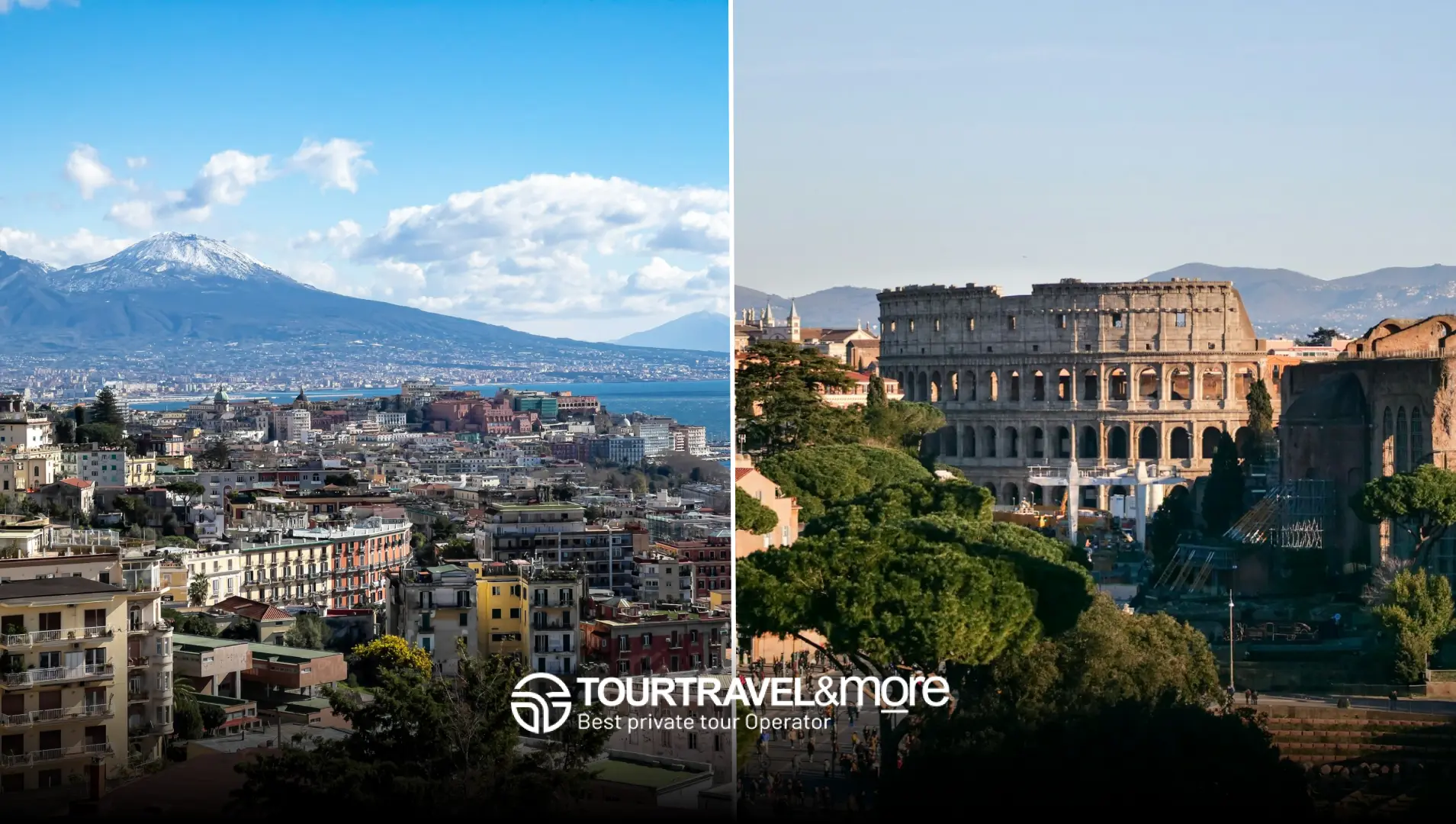
Marta had six days, an inbound flight to Rome and a return flight from Naples. On paper it looked simple: two cities, a north-to-south route, no need to backtrack. But as soon as she opened the map, the same question came up that almost every first-time traveller to southern Italy asks: where should the trip start?
It’s not a small detail. The order changes the rhythm of the whole trip, from how tired you feel on day one to which city you remember most once you’re back home.
The dilemma: start strong or come in through the back door
Rome is the city everyone recognises before they even set foot in it. The Colosseum, the Vatican, the Trevi Fountain: every corner has a name you already know from photos, films or history class. Starting here means entering Italy through its most polished, organised version, the one that has been welcoming visitors for centuries.
Naples is something else entirely. Laundry hanging between balconies, traffic that seems to follow no rules, markets spilling out into half the street. It isn’t a hostile city, but it does ask a bit more from a first-time visitor. Landing there straight off the plane can feel like a reality check for anyone who has never been to a city like this in southern Europe.
Neither option is wrong. The difference comes down to what kind of start you want for your trip: the gentle one or the intense one.
 Private
 Private
 Private
Starting in Rome: the easiest way to land
Most international flights arrive at Rome Fiumicino, which makes Rome the natural entry point. Starting here has a practical upside: Rome is large, well set up for visitors, and gives you time to adjust to the time zone, the language and the Italian pace before moving on to somewhere more chaotic.
Rome also needs more days. Between the Colosseum, the Vatican, the historic centre and the neighbourhoods with the best food, three days is already tight. Leave it for the end of the trip and you’ll arrive tired at the city that demands the most walking and queuing.
Travellers who start in Rome often describe Naples afterwards as a surprise: the energy of the city, the food, and the closeness to Pompeii and the Amalfi Coast feel like a vibrant, almost rewarding finale after the more “monumental” days in the capital.
Starting in Naples: the option for those who want the real thing first
Some travellers deliberately choose the reverse order. Arriving in Naples first means meeting the most authentic, least polished version of Italy from the very first moment, without any prior comparison to Rome shaping that first impression.
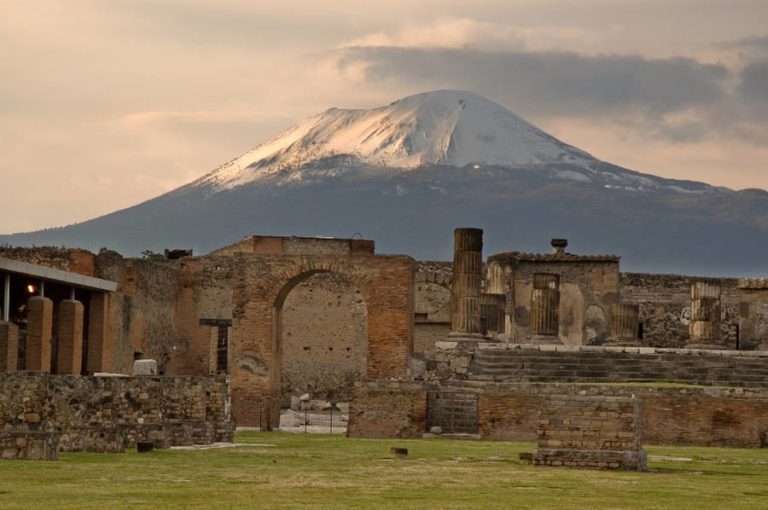
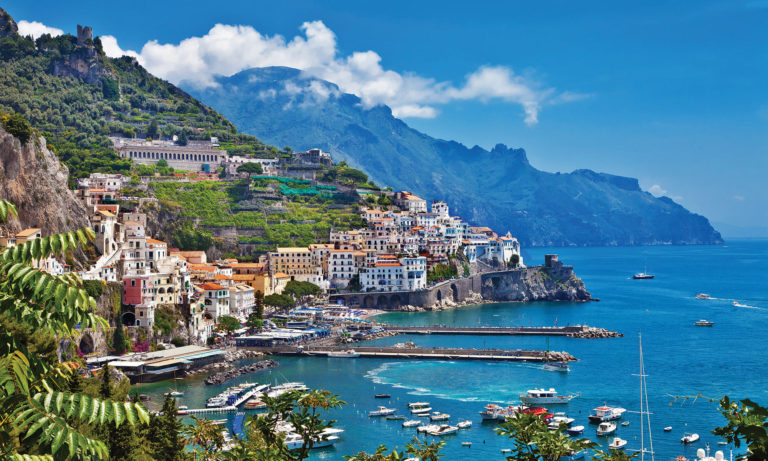
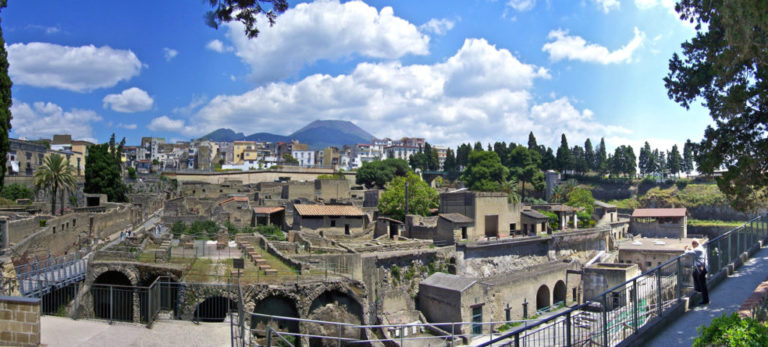
This option works particularly well if the plan includes Pompeii, Mount Vesuvius or the Amalfi Coast, since all of that is right on Naples’ doorstep and is best explored without rushing, before heading north. Ending the trip in Rome also saves the city with the most nightlife, restaurants and last-minute things to do before flying home for the final days.
The one thing to keep in mind is the initial culture shock. If this is your first trip to Italy and you’ve never been to a city in southern Europe with this level of street-level activity, the first few minutes in Naples can feel overwhelming. It passes quickly, but it’s worth knowing in advance.
Getting between the two cities
Either way, the logistics are the easy part. Rome and Naples are connected by high-speed rail, with frequent departures throughout the day.
| Option | Duration | What to know |
|---|---|---|
| High-speed train (Frecciarossa/Italo) | About 1h 10 min | Runs from Roma Termini to Napoli Centrale, cheaper if booked in advance |
| Regional train | 2h – 2h 30 min | Cheaper, but more stops and less comfortable with large luggage |
| Private transfer | 2h – 2h 30 min by car | Door to door, useful for groups, families or a lot of luggage |
The actual distance between the two cities is around 230 km, so neither route feels like a long haul, whichever order you choose.
What Marta chose, and why
Marta ended up starting in Rome. It wasn’t a decision based on which city she liked more, but on how she wanted to feel by the end of the trip: ready for more, not packing her bags exhausted.
She spent three days in Rome, seeing the essentials without rushing, and the last three in Naples, including a day trip to Pompeii. By the time she reached Naples, she was already used to the schedule and the language, which let her enjoy the city’s chaos as something fun rather than overwhelming.
| Type of traveller | Recommendation | Why |
|---|---|---|
| First trip to Italy | Start in Rome | Lets you adjust before reaching a more intense city like Naples |
| Already familiar with Rome or Italy | Start in Naples | Makes the most of Pompeii and the Amalfi Coast at an easy pace, finishing in Rome |
| Travelling with kids or family | Start in Rome | Rome has more tourist infrastructure for handling the unexpected early on |
| Priority: food and the coast | Start in Naples | Leaves more days near the sea and Neapolitan cooking |
There’s no universal answer to whether Naples or Rome should come first. What does help is deciding based on how you want to start the trip and, more importantly, how you want it to end.
- Just your group
- Licensed guides
- Free cancellation