Diego arrived in Rome with a list saved on his phone of thirty-two “must-see” spots. On the second day, sitting on a curb near the Pantheon with his feet wrecked, he realized that list didn’t distinguish between what actually changes a trip to Rome and what just stretches it out.
Rome has a handful of places that aren’t up for debate, and a much larger number of spots that are fine if you have time, but aren’t the reason anyone remembers their trip. The difference matters more the less time you have.
The must-sees of Imperial Rome
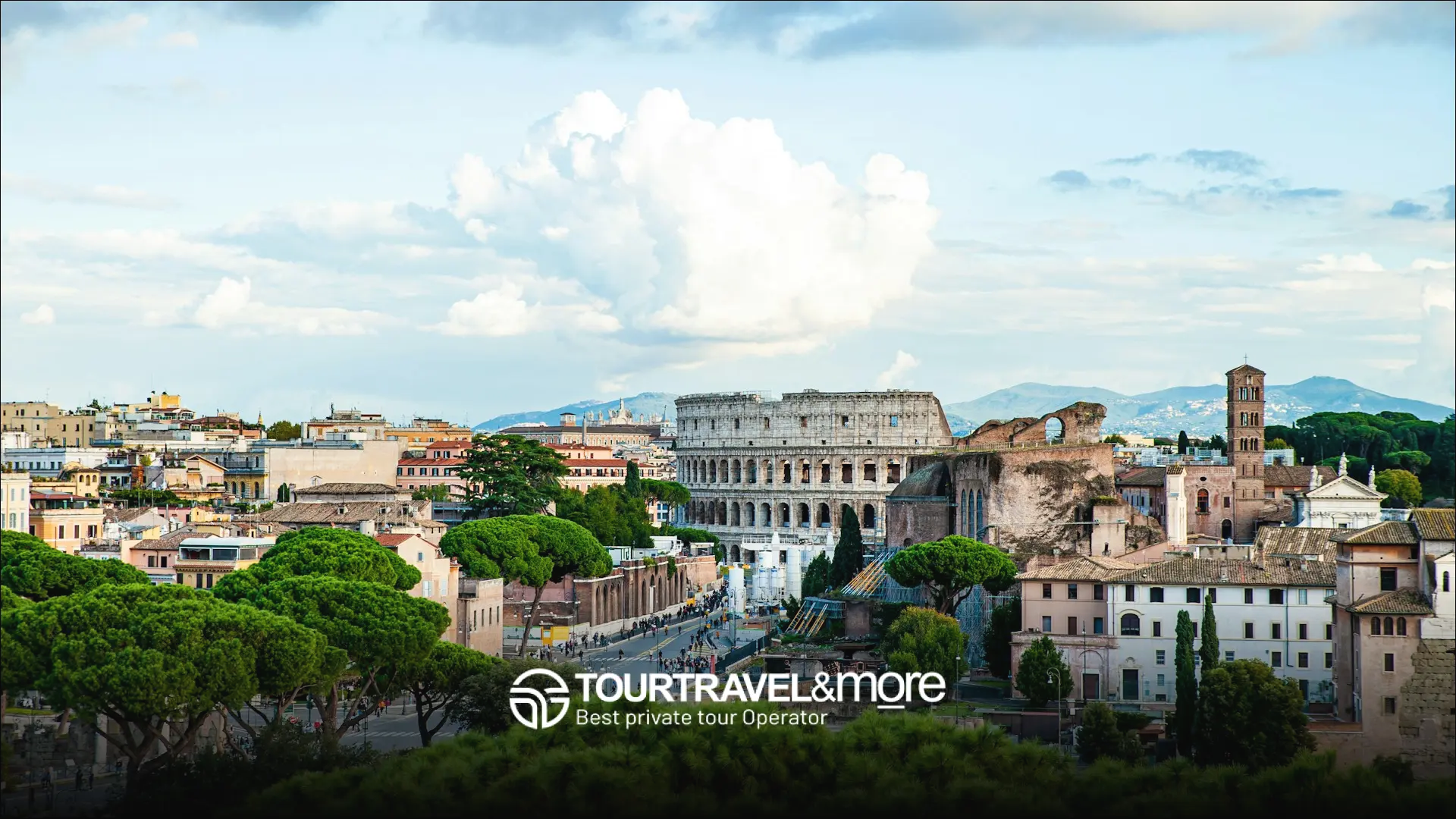
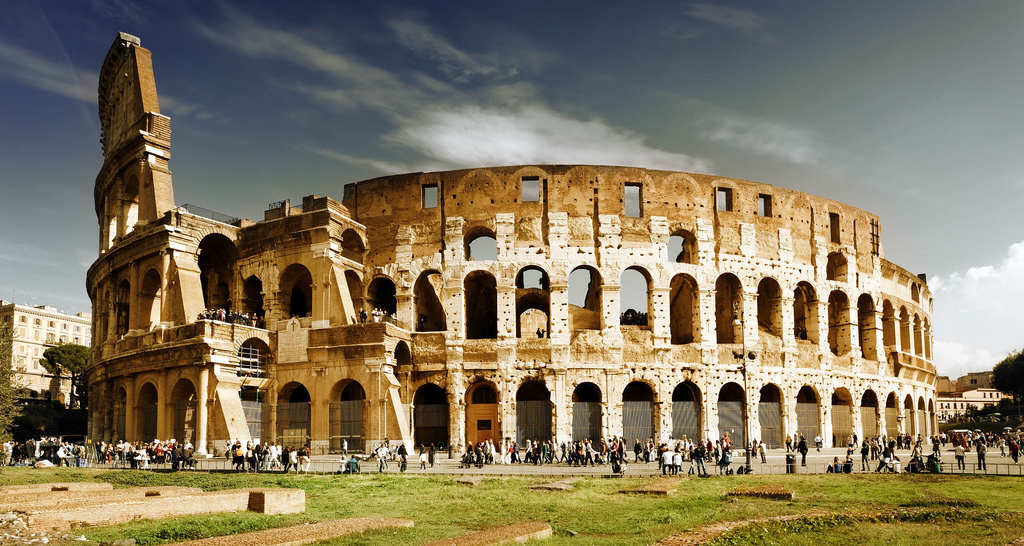
The Colosseum, the Roman Forum and Palatine Hill aren’t on every list out of inertia: they’re the only place in the city where you grasp the scale of the Roman Empire at a glance, and there’s no substitute for them.
The Colosseum is visited with a timed-entry ticket, bought in advance on the official archaeological park website. Without a reservation, the ticket line in high season can take over two hours, and in peak summer you’ll be doing it under unforgiving sun. The visit inside lasts between an hour and an hour and a half, enough to walk the stands and the walkway over the arena without feeling rushed.
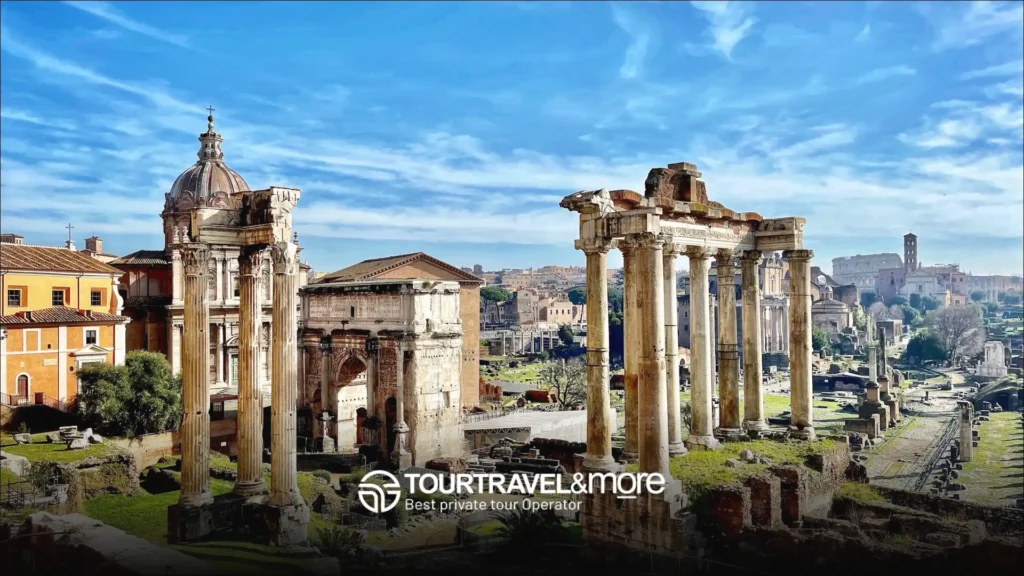
The Roman Forum and Palatine Hill are included in the same Colosseum ticket and are visited right after, usually adding another hour. This is where most visitors miscalculate: the Forum is much bigger than it looks from outside, and climbing up to Palatine Hill for the best overall view adds an easy thirty extra minutes that almost nobody accounts for when planning.
What sets this whole area apart from anywhere else in the city is that there’s no “quick version” that actually works. Seeing it from outside, without going in, leaves out the arena floor of the Colosseum and the standing columns of the Forum, which is exactly what makes the visit memorable. If there’s only time for one paid entry on the whole trip, this is it.
The squares and fountains that bring Rome to life
Beyond the paid monuments, Rome is best understood by walking its squares, and these don’t require tickets or bookings.
| Square or fountain | Why it’s a must-see | Best time to go |
|---|---|---|
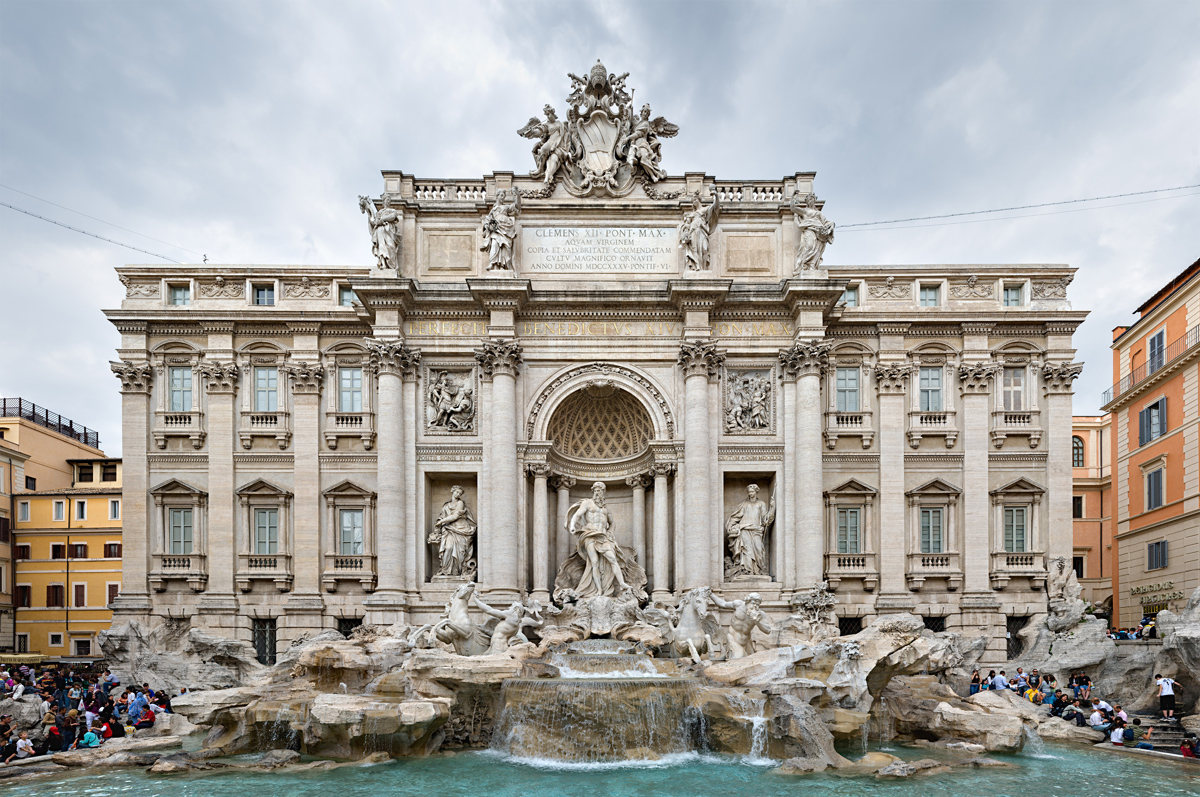
| Trevi Fountain | Italy’s most famous baroque fountain, with the tradition of tossing a coin over your shoulder | Before 9:00 AM or after 10:00 PM, to avoid the daytime crowds |
| Piazza Navona | An oval square built over an ancient Roman stadium, with three fountains by Bernini | At sunset, when it fills with ambient music and outdoor tables |
| Piazza del Popolo | Rome’s monumental northern gateway, with an Egyptian obelisk and twin churches | Mid-morning, before the heat builds up in the open square |
| Piazza di Spagna | The city’s most famous staircase, a film backdrop for decades | Early morning, before people are sitting on the steps |
The Trevi Fountain is the one that gets mismanaged most often if you don’t know the timing trick: at midday it’s practically impossible to get within three meters of the water, while in the early morning you can have the fountain almost to yourself for several minutes.
Piazza Navona connects on foot to the Pantheon in under ten minutes, so it makes sense to string them together on the same walk instead of treating them as separate stops on the map.
 Private
 Private
 Private
The Vatican, a must but on its own
St. Peter’s and the Vatican Museums, with the Sistine Chapel inside, are the second major must-see block in Rome, and the most common mistake is trying to fit them into the same day as the Colosseum.
St. Peter’s Square is free and can be visited without a booking, but entry into the basilica goes through a security check that in high season can add up to an hour of line, especially mid-morning. Arriving before 8:00 AM or after 4:00 PM cuts that wait noticeably.
The Vatican Museums, which include the Sistine Chapel, require a timed-entry ticket bought online days in advance: without a reservation, in high season, tickets sell out or the ticket-counter line becomes unworkable. The full visit, unhurried, takes between two and a half and three hours, which makes the Vatican half a day on its own.
There’s a dress code that applies without exception in both the basilica and the museums: shoulders and knees covered, no shorts or tank tops. Every year people get turned away at the door for not bringing something to cover up, so it’s worth carrying an extra layer even in hot weather.
Given the distance and the time it demands, the Vatican works better as its own day than as an add-on to the historic center route. Forcing it into the same day as the Colosseum almost always means rushing through both, which is the exact opposite of what something this significant deserves.
The Pantheon and Trastevere, the must-sees that don’t feel touristy
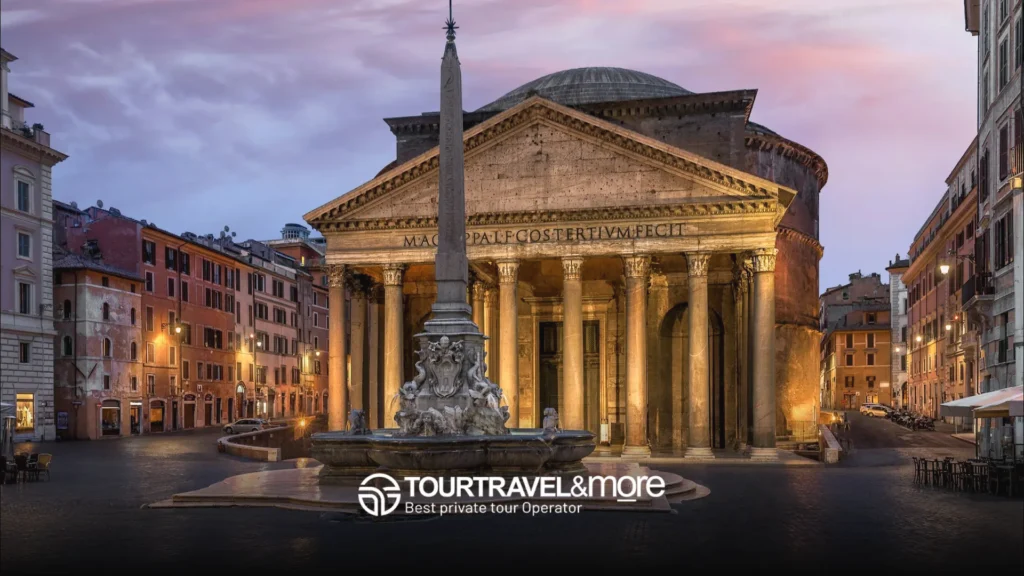
Not everything you can’t miss in Rome is monumental or comes with an entry fee. The Pantheon and the Trastevere neighborhood are two of the places that come up most often in people’s memories of the city, and both cost little or nothing.
The Pantheon is free, but since 2023 it requires an advance online booking, even if it’s for the same day’s time slot. Without that reservation, you simply don’t get in, which catches people off guard once they’re already at the door. Inside, the contrast between the columned facade and the dome open to the sky takes thirty to forty minutes to see, but it’s one of the few places in Rome where the silence inside the building is part of the experience.
Trastevere, on the other side of the Tiber, is the neighborhood that best keeps the pace of Roman life outside the monument circuit. Its narrow cobbled streets, with laundry hanging between balconies, are best enjoyed wandering without a fixed plan at sunset, when the outdoor tables start filling up and the neighborhood changes character. There’s no fixed checklist for Trastevere: the neighborhood itself is the visit.
Anyone looking for a high view without lines can climb up to the Janiculum Hill, the hill right above Trastevere, with a free lookout over Rome’s entire skyline that very few itineraries mention despite being a fifteen-minute walk from the neighborhood.
What to book in advance and how much time to allow
The most common reason a trip to Rome runs short on time isn’t the route itself, but arriving without having booked what requires a booking.
| Place | Type of booking | How far in advance |
|---|---|---|
| Colosseum, Forum and Palatine Hill | Timed-entry ticket, official website | 1-2 weeks in high season |
| Vatican Museums and Sistine Chapel | Timed-entry ticket, official website | 2-3 weeks in high season |
| Pantheon | Mandatory free booking | A few days ahead is enough |
| St. Peter’s Basilica | No booking, but security check | Not applicable, just arrive early |
In peak months, the most sought-after time slots for the Vatican Museums and the Colosseum sell out weeks ahead, so leaving it for the last minute usually means paying extra for a guided ticket just to avoid being shut out.
What you can skip without guilt
Not everything that shows up on the long lists is worth the time it demands, and recognizing that in time is what frees up hours for the must-sees that actually matter.
Castel Sant’Angelo only makes sense if you’re already crossing toward the Vatican, since it sits right on the way; as a destination in itself, there’s little inside it you haven’t already seen in other castles and fortresses across Italy. The Galleria Borghese requires booking weeks in advance and has a limited visitor cap, which makes it a demanding thing to plan for the level of interest most passing visitors actually have. And the smaller museums scattered around the center, even though they show up on lists of “thirty things to see,” rarely make up for the time they take away from the squares and neighborhoods that truly define the city.
Skipping these isn’t missing out on Rome: it’s the opposite, making room to take in, without rushing, what actually defines it.
Rome with Tour Travel & More
Organizing all of this on your own is possible, as Diego did, but it means fitting together bookings weeks in advance, calculating queue times that change by day and month, and having a backup plan if something doesn’t go as expected on the ground.
With Tour Travel & More, these problems disappear:
- 100% private tour — The route adapts to your pace, not to a large group stopping at every corner.
- Official licensed guide — Knows the real queue times for each site and reorganizes the visit on the spot if needed.
- Priority access to the Colosseum, the Vatican Museums and the Pantheon — No need to depend on slots still being open for the date you need.
- Luxury vehicle with chauffeur, if you decide to combine Rome with a day trip to Pompeii, Naples or the Amalfi Coast.
- 24/7 Guardian Angel Service — Human coordination before, during and after the tour, in case anything gets complicated.
What you actually remember from Rome
Diego ended up crossing off almost half of his original list of thirty-two spots. He didn’t see Castel Sant’Angelo or step into any small museum, but he climbed the Janiculum Hill at sunset, stood for fifteen minutes in front of the Trevi Fountain at dawn, and had dinner two separate nights in Trastevere without rushing.
What you can’t miss in Rome isn’t the longest list you can complete, but the handful of places that, seen with time, are the reason someone tells the story of that trip months later.
- Just your group
- Licensed guides
- Free cancellation