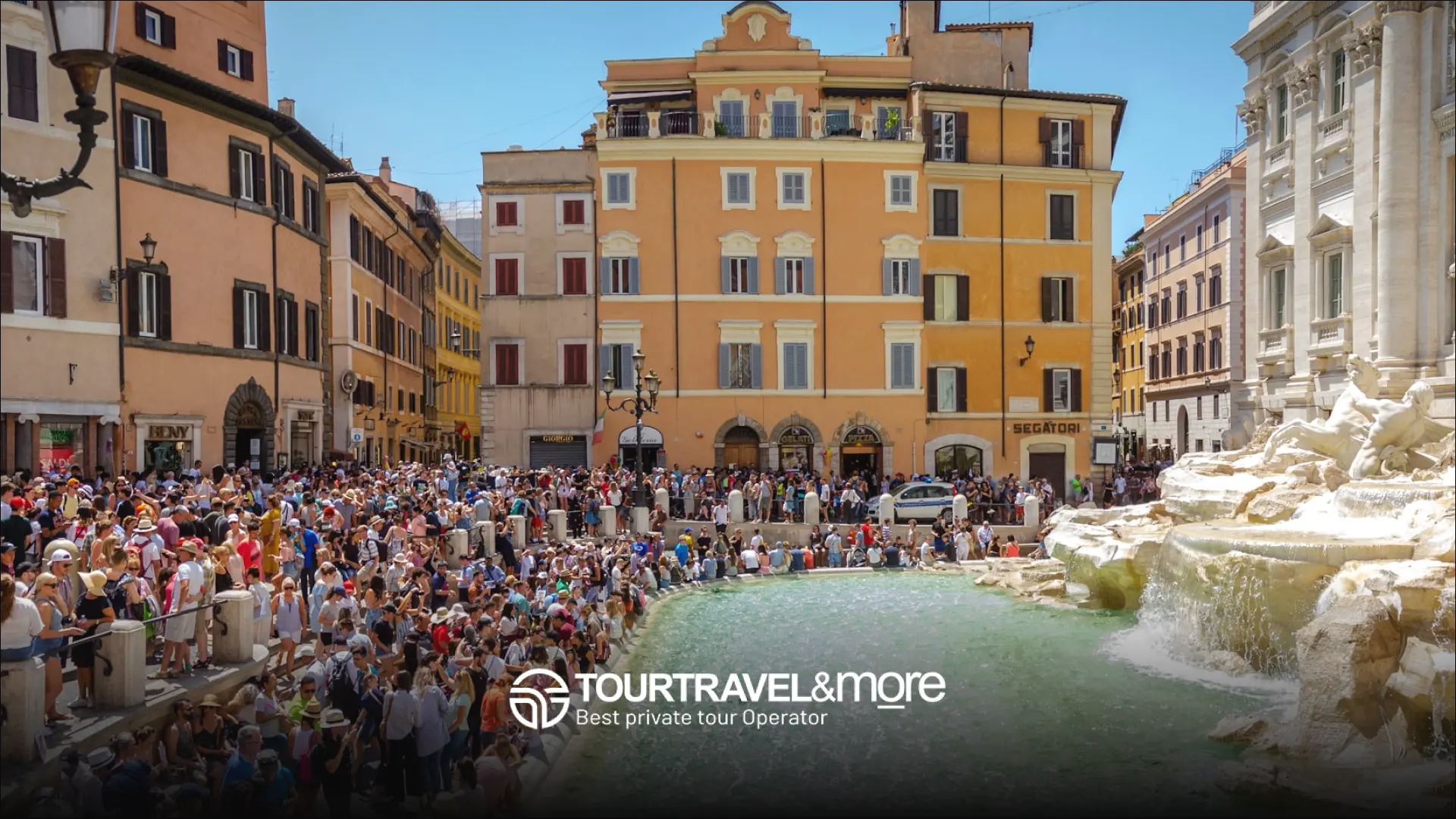
Marta had three browser tabs open on her phone with three different articles about Rome, and all three contradicted each other: one said two days were enough, another said five was the bare minimum, and the third recommended a neighborhood to stay in that the first one ruled out completely. When someone is heading to Rome for the first time, the problem is rarely a lack of information — it’s too many scattered tips that nobody ever turns into a plan that actually makes sense.
This guide brings together what really changes a first trip to Rome: how many days you need, where to stay, how to get around, what to pack, and the mistakes almost every first-timer makes without realizing it.
How many days you need for Rome the first time
Rome never really “runs out,” so the real question isn’t how many days it takes to see everything, but how many it takes to walk away with a first impression worth having.
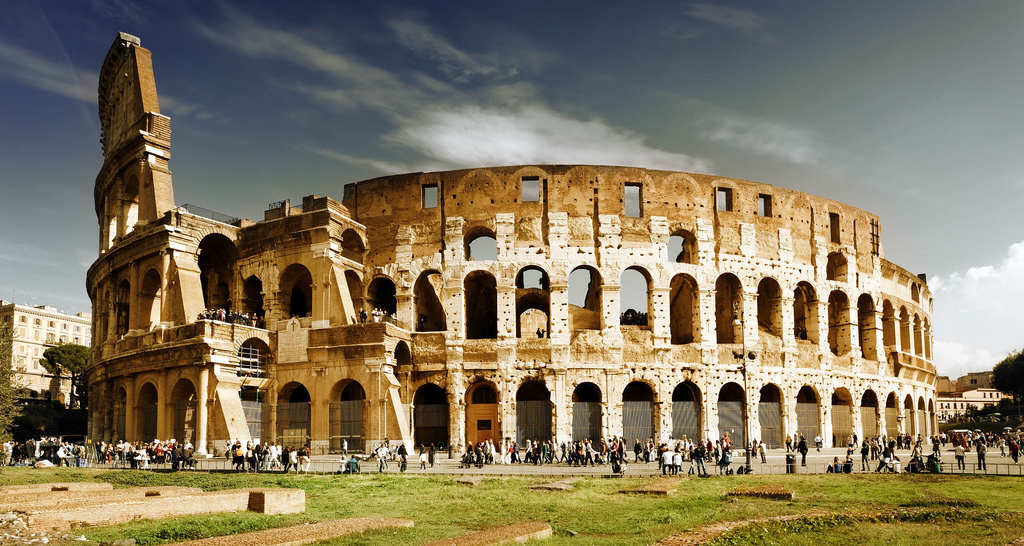
With 3 days you can cover the historic center, the Vatican, and keep a comfortable walking pace without feeling rushed: one day for the Colosseum-Forum-Palatine axis, another for the full Vatican, and a third for squares, fountains, and neighborhoods like Trastevere. It’s the reasonable minimum for a first trip, not the ideal.
With 4 or 5 days there’s room to slow down in a neighborhood you liked, take a half-day trip to Ostia Antica or Tivoli, or simply lose an afternoon with no itinerary at all in whichever area won you over. Anyone traveling with kids or with reduced mobility will also appreciate this extra margin, since it lets you split the longer visits (the Vatican, the Colosseum) into shorter blocks.
The classic first-timer mistake goes the other way: squeezing Rome into a day and a half on the way to another Italian destination, then trying to fit the Colosseum, the Vatican, and every square into that same day and a half. The result is almost always exhaustion and the feeling of never having “really” been in the city — exactly what a first visit should avoid.
When to go to Rome if you’ve never been
The timing of the trip matters almost as much as the number of days, especially on a first visit where there’s no “I’ll come back another time” if the weather or the lines ruin the experience.
April, May, September, and October are the most balanced months: mild temperatures for hours of walking, good light for photos of the squares and fountains, and noticeably fewer tourists than in peak summer. Flight and hotel prices also drop a bit compared to July and August.
July and August bring the highest heat (regularly above 95°F/35°C) and the heaviest crowds at the must-see sites: lines at the Colosseum and the Vatican Museums stretch out, and walking through the historic center at midday becomes uncomfortable. Anyone who can only travel during these months should plan monument visits for early morning or late afternoon, and book absolutely everything ahead of time.
December, January, and February offer the opposite: fewer crowds, lower prices, but shorter days and some damp cold. Rome at Christmas has a particular charm (markets, lights, a decorated St. Peter’s Square), though some gardens and day trips lose some of their appeal in winter.
For a first trip with no fixed calendar, spring or fall is the window that best balances weather, manageable lines, and budget.
Where to stay if it’s your first time in Rome
Picking the wrong area to stay in is one of the costliest mistakes a first-timer makes, since it forces long trips every day between the hotel and the places actually worth visiting.
| Area | Why it works for a first trip | Who it suits less |
|---|---|---|
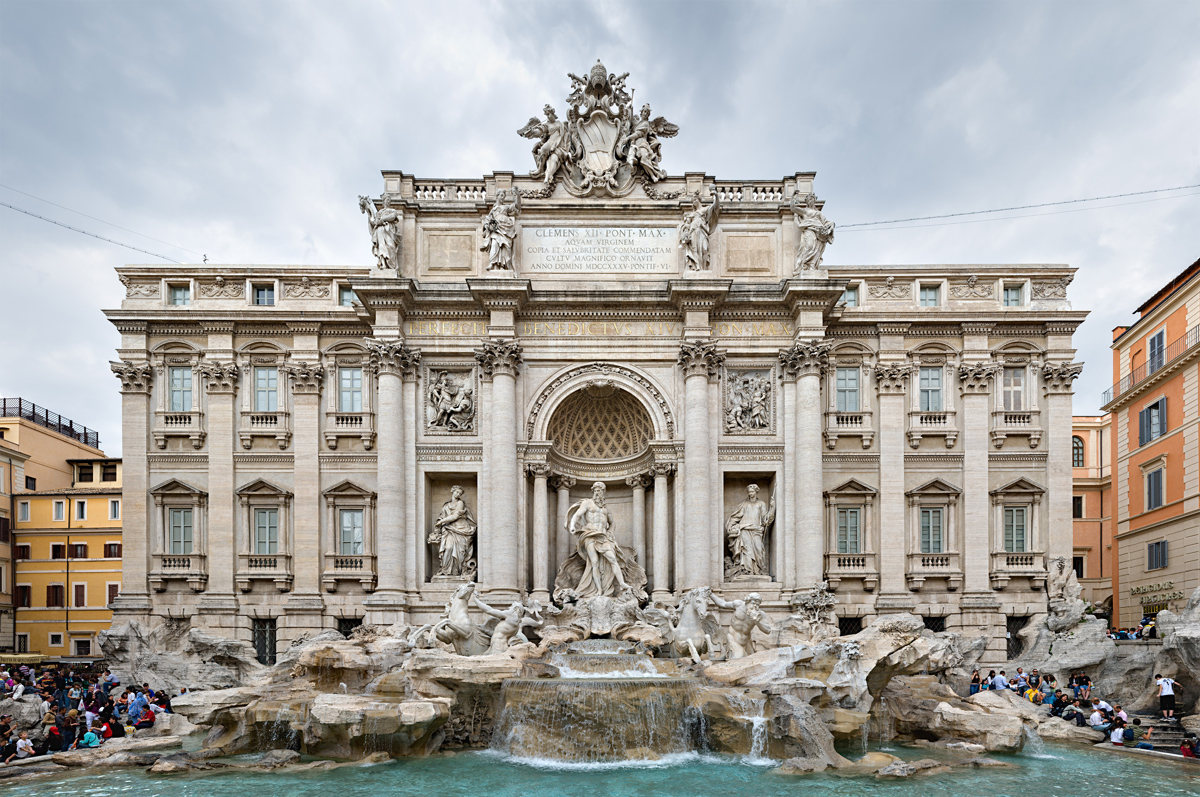
| Historic center (Trevi, Pantheon, Piazza Navona) | Walking distance to almost everything essential, ideal if you don’t want to rely on public transport | Anyone looking for low prices: it’s the most expensive area to sleep in |
| Piazza di Spagna / Tridente | Well connected, elegant atmosphere, good shops and restaurants | Anyone on a very tight budget |
| Trastevere | Authentic local atmosphere, great restaurant scene at night | Anyone who wants to be close to the Vatican or the train station |
| Near Termini station | Excellent metro and train connections, lower prices | Anyone who wants a touristy vibe or will be out late at night in the area |
For a first visit, sleeping in the historic center or in the Tridente makes the higher price worth it: daily trips get shorter, and you can come back to the hotel mid-afternoon to rest before heading out again — something that almost never pays off with hotels on the outskirts once you factor in travel time.
Trastevere is a solid alternative if nightlife and food matter more than being close to the paid monuments, since it’s only a fifteen- to twenty-minute walk from the historic center, across the Tiber.
The Termini area is the most practical choice for anyone combining Rome with other cities by train or arriving at odd hours, but it has less atmosphere at night and it’s worth double-checking the exact street before booking.
 Private
 Private
 Private
How to get around without getting lost
The historic center of Rome is mostly covered on foot: the distances between the Pantheon, Piazza Navona, the Trevi Fountain, and Piazza di Spagna are short, and the metro barely has any stops inside that area because archaeological excavations make it hard to build new lines there.
The metro (lines A and B) is useful for longer trips: from the airport or Termini to the Vatican, or to the Colosseum, which does have its own stop on line B. It’s worth knowing there’s no metro line that crosses the historic center from one side to the other, so getting between Trevi and the Vatican, for example, is usually faster on foot for fifteen minutes or by bus than waiting for a metro transfer.
Buses cover the gaps the metro doesn’t reach, but Rome’s traffic makes travel times hard to predict during rush hour. For a first-timer with no experience with the system, they’re less intuitive than the metro because stops aren’t always clearly marked.
Taxis or ride-hailing apps are the simplest option for one-off trips (airport, heavy luggage, a late-night ride back), though it’s best to always book through an app or an official taxi stand: taxis offered directly on the street near touristy areas tend to overcharge.
For anyone who’d rather not work out routes or tickets during a first trip, having private transport on call for the longer legs of the itinerary makes the day’s logistics noticeably simpler.
The most common mistakes on a first trip to Rome
Almost every stumble on a first trip to Rome repeats itself from visitor to visitor, and most of them are avoidable just by knowing they exist beforehand.
Not booking tickets in advance is the costliest one: the Colosseum, the Forum, the Palatine Hill, and the Vatican Museums sell timed-entry tickets that sell out days or weeks ahead in high season. Showing up without a booking means, at best, hours-long lines, and at worst, no ticket at all that day.
Underestimating footwear is the second most common mistake: the historic center’s streets are uneven cobblestone, and you end up walking far more than expected between one stop and the next. New or uncomfortable shoes start to hurt by day two.
Always eating right next to whichever monument you’re visiting tends to be expensive and mediocre: restaurants a few steps from the Colosseum or the Pantheon live off passing tourists, while walking two or three streets away usually improves both price and quality.
Ignoring the Vatican’s dress code turns people away at the door more often than you’d think: shoulders and knees must be covered in both St. Peter’s Basilica and the Vatican Museums, no exceptions for the heat.
Leaving no room for the unexpected is the quietest mistake of all: between security lines, schedule changes, or simple fatigue, an itinerary with zero slack falls apart the moment anything runs even thirty minutes late.
What to pack and how to dress
Packing for a first trip to Rome gets a lot simpler once you factor in the dress code for churches and the kind of ground you’ll be walking on for hours every day.
Comfortable shoes you’ve already broken in at home are priority number one, ahead of anything else. Flat sandals or sneakers with good soles are far more practical than brand-new shoes, however nice they look.
To enter any church, including St. Peter’s Basilica, shoulders and knees need to be covered. A light long-sleeve layer or a large scarf in your bag solves the problem even in peak summer, without having to head back to the hotel to change.
A reusable water bottle is handy because Rome has public drinking fountains (the “nasoni”) scattered all over the city, so there’s no need to keep buying bottled water.
A portable charger helps on the days with the most walking and phone use for maps and digital tickets, especially if you’re relying on the Vatican or Colosseum app to show your bookings at the entrance.
Rough budget for a first trip
A first trip to Rome’s budget varies a lot depending on the accommodation chosen, but these rough figures per person per day are a reasonable starting point so nothing comes as a surprise.
| Item | Approx. cost per day | Tip |
|---|---|---|
| Accommodation (mid-range) | €70-130 per room | Cheaper outside the historic center, but factor in travel time |
| Food (breakfast, lunch, dinner) | €35-55 per person | Walking 2-3 streets away from the monuments improves both price and quality |
| Monument tickets | €25-45 per person | Colosseum+Forum+Palatine and the Vatican are the two biggest line items |
| Public transport | €7-10 per person | A 24h or 48h pass pays off compared to single tickets |
These figures don’t include flights or day trips outside the city (Pompeii, Naples, the Amalfi Coast), which add up separately if you want to combine Rome with another nearby destination.
The line item that tends to creep up without anyone noticing is food, especially if you fall into tourist-trap restaurants right next to the monuments: that same budget stretches much further just two or three streets away.
Rome for first-timers with Tour Travel & More
Planning a first trip to Rome on your own is entirely possible, as Marta was trying to do between contradictory browser tabs, but it means cross-checking ticket bookings, calculating queue times that change by the month, and handling any surprise on the spot without really knowing the city yet.
With Tour Travel & More, these problems disappear:
Experience Rome without lines, impossible bookings, or improvised backup plans
What actually matters on a first trip to Rome
Marta ended up closing all three tabs and settled on a much simpler plan than she’d first imagined: four days, a hotel in the Tridente, tickets booked three weeks ahead, and no day with more than two long visits back to back.
She didn’t do everything her three articles combined recommended, but she got to every stop without rushing, and without the wrecked legs of day two. That, more than any list of must-sees, is what separates a good first trip to Rome from one that’s only remembered for the exhaustion.
- Just your group
- Licensed guides
- Free cancellation