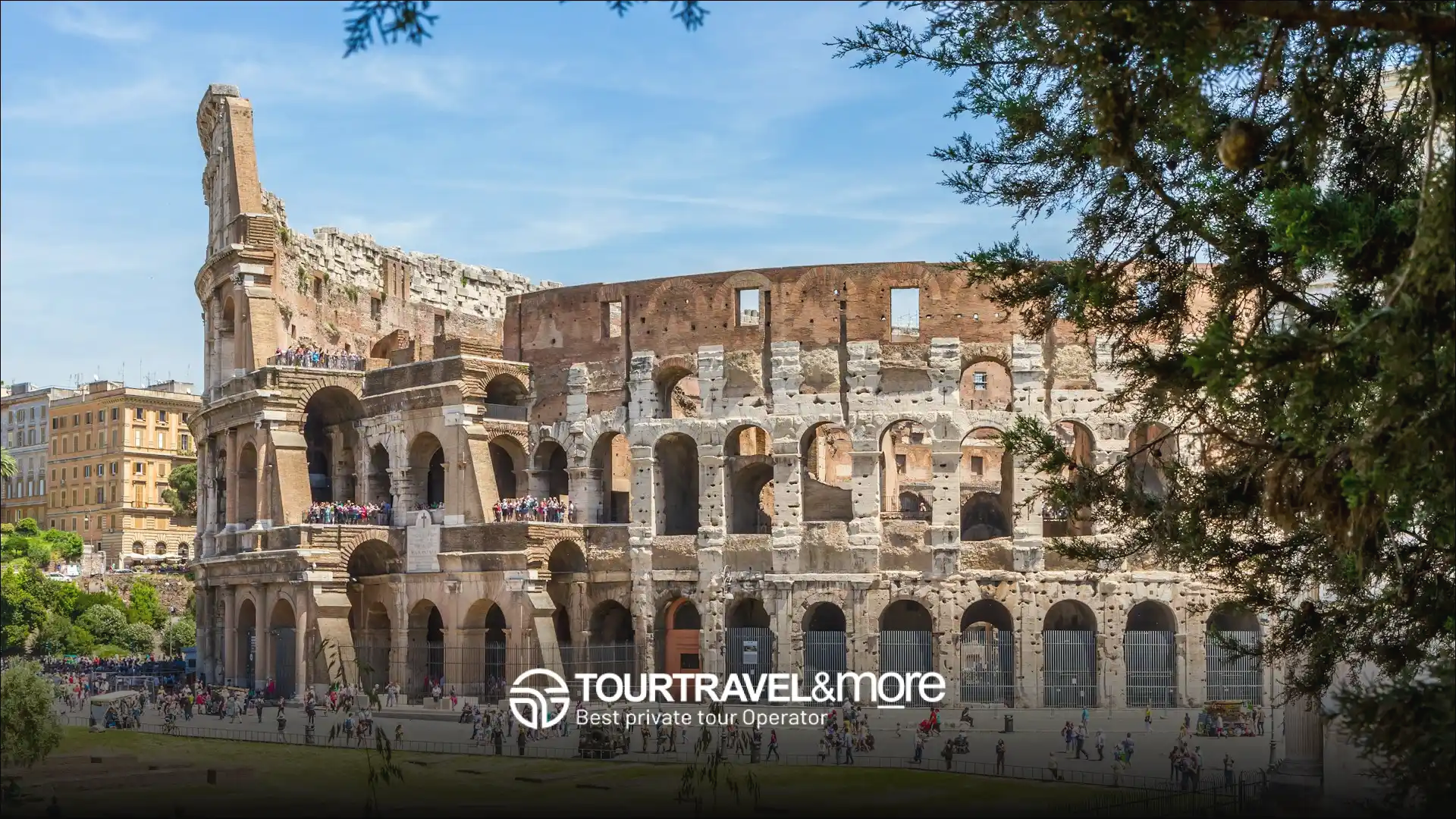
Elena had nine hours in Rome between a connecting flight and the next one. She’d read itineraries promising to “see it all” with twelve stops and zero downtime in between. Two hours into walking, she already knew that list wasn’t happening, and that was fine.
Having only one day in Rome isn’t a problem of how many monuments fit on the map, but of which ones are worth seeing properly and which ones should wait for another visit. A realistic route starts from that idea: fewer stops, but the ones that count, with queue and travel time already factored in.
How much of Rome you can really see in one day
Most “Rome in a day” guides list between nine and fourteen stops. On paper it works; on the pavement, with real queues and tired legs, that number forces you to rush through every spot and enjoy none of them.
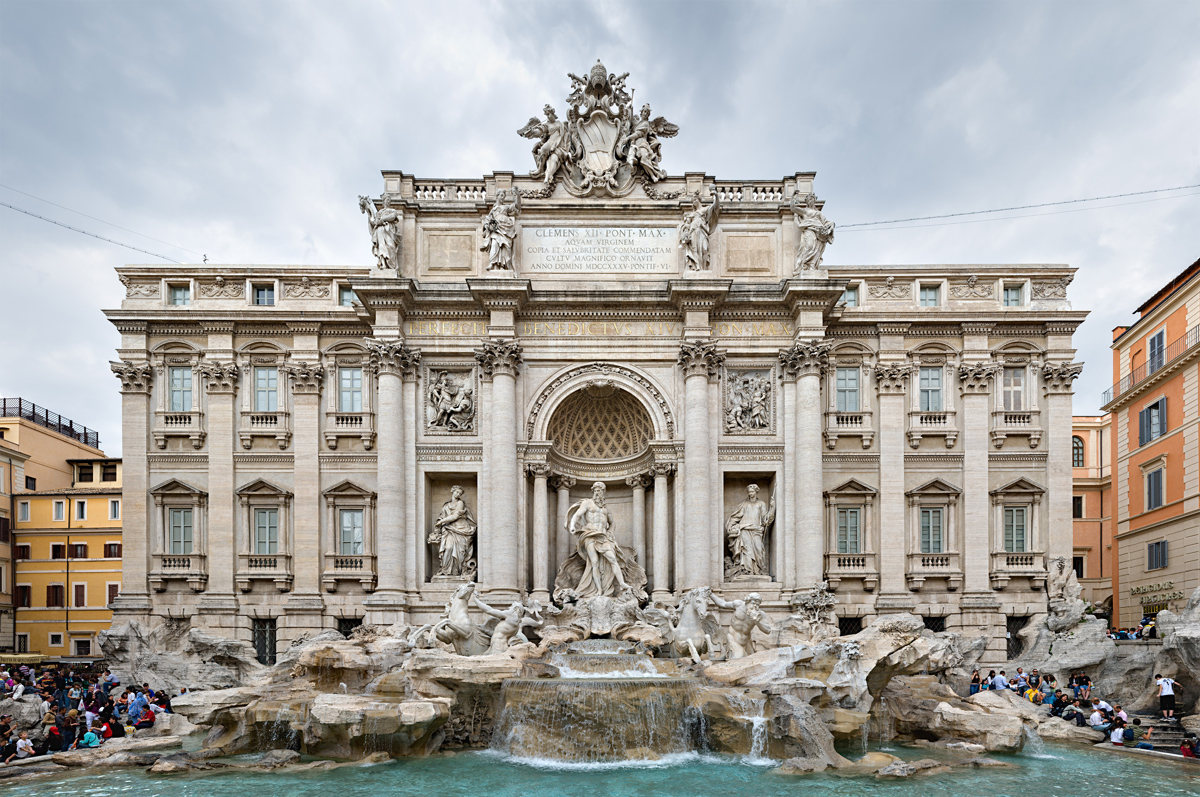
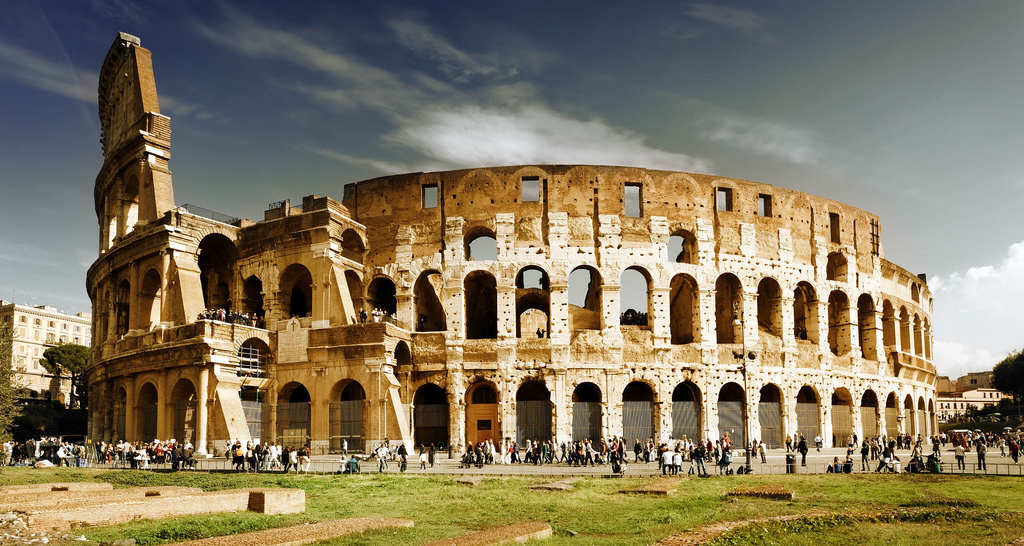
With a full day, on foot and without a car or metro, five to six main stops are realistic, well spread across the historic center, which is more compact than it looks on the map. The Colosseum, the Roman Forum, the Trevi Fountain, the Pantheon, Piazza Navona and Trastevere fit comfortably if you only go inside one or two monuments and see the rest from outside.
The Vatican is almost always the piece that doesn’t fit. St. Peter’s and the Vatican Museums are across the river, far from the rest of the route, and the security line at the basilica alone can take an hour. Squeezing it into the same day usually means sacrificing Trastevere or the Trevi Fountain, and it isn’t worth it.
Hour-by-hour walking route
This is the sequence that works best on foot, starting with the monument that demands the most queue time and ending with the neighborhood best enjoyed at sunset.
| Time | Stop | What to do there |
|---|---|---|
| 9:00 AM | Colosseum | Timed-entry ticket booked in advance; 1-1.5h if visiting inside |
| 10:30 AM | Roman Forum and Palatine Hill | Included in the same Colosseum ticket; views from above, 1h |
| 12:00 PM | Piazza Venezia and Trevi Fountain | 20 min walk between both; photo and short break at the fountain |
| 1:00 PM | Lunch in the Monti neighborhood or near the Pantheon | 1h, avoiding the area right around Trevi for price and quality |
| 2:30 PM | Pantheon | 30-40 min; quick entry if booked in advance |
| 3:30 PM | Piazza Navona | Unhurried stroll, 30-40 min |
| 6:00 PM | Trastevere | Sunset stroll, optional dinner; end of the day |
This route covers about 5 km on foot in total, spread across short stretches. If you start later than 9:00 AM, the first thing to cut is time inside the Forum, not the rest of the stops.
 Private
 Private
 Private
What to skip if time is tight
When the day shrinks to six or seven hours instead of a full day, not every stop weighs the same when deciding what to cut. Some can be seen from the outside without losing the essentials; others, if sacrificed, break the logic of the route.
| If time is tight, cut first | Why it can be skipped | What you miss |
|---|---|---|
| Inside the Colosseum | The facade and the Arch of Constantine already give you the photo and the scale of the place | The view from inside the arena and the stands |
| The whole Vatican | It’s isolated from the rest of the route and takes half a day on its own | Sistine Chapel and St. Peter’s Basilica, better on another visit |
| Piazza di Spagna | It’s 15-20 min on foot from the rest and doesn’t add anything Piazza Navona doesn’t already offer | The view from the steps |
| Castel Sant’Angelo | Only worth it if you’re crossing toward the Vatican | The views of the Tiber from the bridge |
What’s almost never worth cutting is the Pantheon: it’s free, it’s on the way between Trevi and Piazza Navona, and the visit doesn’t even take 40 minutes.


How to avoid wasting time in queues and getting around
The difference between a day that flows and one that falls short is almost always in how you manage the queues, not in the route itself.
- Timed-entry tickets: the Colosseum and the Forum are bought together on the official archaeological park website, with a fixed time slot. Without this, the line in high season can take over two hours.
- The Pantheon also requires booking online: entry is free, but since 2023 it requires advance reservation, and without it you’ll lose time at the door.
- Eat outside peak hours: sitting down to eat between 1:00 and 1:30 PM, before restaurants near the touristy areas fill up, saves up to 30 minutes of waiting.
- Water from the nasoni: Rome’s public drinking fountains offer free water on every corner of the center; they avoid stops to buy bottles and are a real part of the itinerary, not an extra.
- Comfortable shoes, not new ones: the day’s 5 km are over uneven cobblestones, not smooth pavement.
Rome in one day with Tour Travel & More
Planning this itinerary on your own is entirely possible, as Elena did. But friction adds up without warning: the Colosseum line without a timed ticket can eat up two hours of the morning, timing between the Forum and the Pantheon is easy to miscalculate, and the backup plan that looked clear on the map isn’t always so clear on the ground.
With Tour Travel & More, these problems disappear:
- 100% private tour — It’s your pace, not a group of twenty people following an umbrella.
- Official licensed guide — Knows the real queue times for each site and reorders the route on the spot if anything changes.
- Priority access to the Colosseum, the Forum and the Vatican — No two-hour line wrecking half your morning.
- Luxury vehicle with chauffeur, if you decide to combine Rome with a day trip to Pompeii, Naples or the Amalfi Coast.
- 24/7 Guardian Angel Service — Human coordination before, during and after the tour, in case anything goes wrong.
The difference between seeing Rome and actually experiencing it
Elena arrived in Trastevere at six in the evening with tired legs, but having seen every stop with time to stop and look, not just photograph it in passing. She didn’t see the Vatican, or Piazza di Spagna, or go inside Castel Sant’Angelo. She saw the Colosseum from the inside, walked the Forum without rushing, sat for ten minutes in front of the Trevi Fountain, and had dinner at a trattoria in Trastevere before heading back to the airport.
That’s the logic of a realistic one-day route in Rome: it’s not about ticking off the longest possible list, but about choosing well which six stops deserve the time you actually have, and leaving the rest for next time.
- Just your group
- Licensed guides
- Free cancellation