




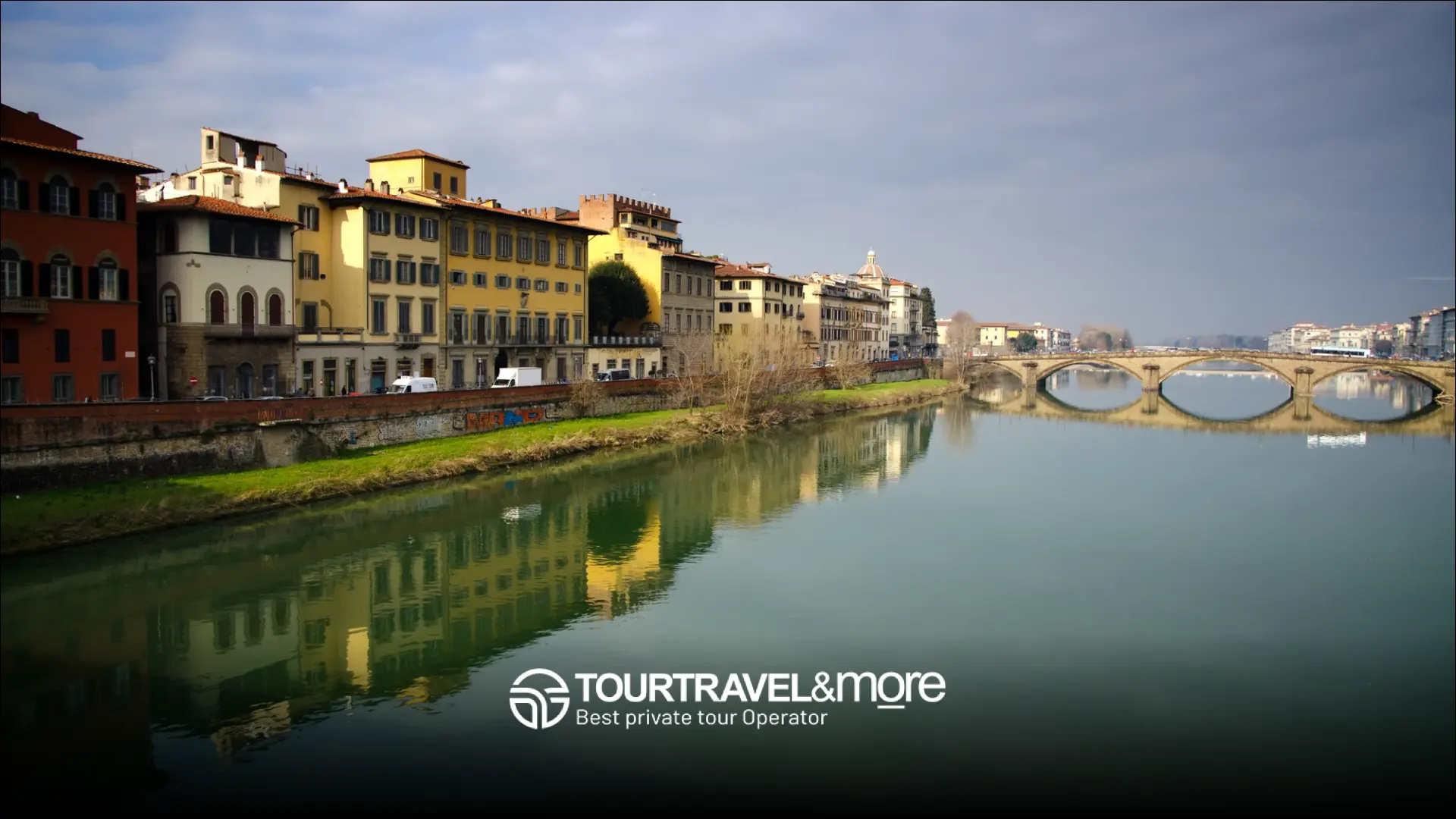
I still remember the first time I crossed the Ponte Vecchio at sunset, watching that warm golden light sweep across the Arno. Florence looked exactly like the postcards — except better, because I could smell espresso drifting from a side street and hear someone playing guitar near the Uffizi. That trip taught me something important: when you visit Florence matters almost as much as what you see there.
The good news? There is no wrong time. Each season hands you a different version of the city — and every single one is worth experiencing. The trick is knowing what to expect and planning around it.
After multiple trips across every season (and years of helping travelers plan theirs), here is my honest, month-by-month breakdown so you can pick the perfect window for your kind of trip.
Best Time to Visit Florence: The Quick Answer
If you want a single recommendation: late April through May and mid-September through October deliver the best all-around experience. Comfortable temperatures (18-24 °C / 64-75 °F), manageable crowds, and the city at its most photogenic.
But the best time for you depends on what you care about most:
- Art without the crowds → January–February
- Perfect walking weather → April–May or September–October
- Budget-friendly trip → November–February (skip holiday weeks)
- Food and wine season → September–October (harvest time in Tuscany)
- Outdoor festivals and nightlife → June–July
Florence Month by Month: Weather, Crowds & Prices
This table gives you the full picture at a glance. Temperatures are averages; crowd and price ratings run from low to high.
Spring in Florence (March–May)
Spring is when Florence starts showing off. The Boboli Gardens burst into color, the Iris Garden near Piazzale Michelangelo opens its doors (late April through May), and the temperature is perfect for walking 20,000 steps without breaking a sweat.
What makes spring special:
- Mild weather (15–24 °C) ideal for exploring on foot
- Blooming gardens — Boboli, Bardini, and the Rose Garden along the hillside
- The city feels alive but not yet overwhelmed (especially March and early April)
- Golden-hour light that photographers dream about
What to watch out for:
- Easter week and May weekends bring significant crowd spikes — book Uffizi and Accademia tickets well in advance
- Rain is possible in March and early April; pack a light waterproof layer
- Hotel prices climb noticeably from mid-April onward
My spring Florence itinerary tip: Alternate one “big-ticket” attraction per day (like a private Uffizi Gallery tour or the Duomo) with aimless wandering through the Oltrarno neighborhood. That balance is where Florence really clicks.
Summer in Florence (June–August)
Let me be honest: July and August in Florence can hit 35 °C (95 °F) with humidity that makes the cobblestones feel like a frying pan. Lines at major museums stretch around the block by 10 a.m., and hotel prices hit their peak.
But summer also brings outdoor concerts, late-night passeggiata culture, and the longest daylight hours of the year. The key is adapting your schedule.
The “don’t-melt” strategy:
- 7:00–11:00 a.m. — Do the important stuff. Museums, churches, outdoor landmarks. The Accademia opens at 8:15 and the first hour is noticeably calmer.
- 11:00 a.m.–4:00 p.m. — Survival mode. Long lunch at a trattoria, gelato break, rest at your hotel. Do what the Florentines do: disappear.
- 4:00 p.m.–late — The city comes back to life. Walk to San Miniato al Monte for sunset, explore Florence at night, dine al fresco.
Summer perks most guides skip:
- The Estate Fiesolana festival (June–August) brings live music, theater, and cinema to the Roman amphitheater in Fiesole — just 20 minutes from the center
- Festa di San Giovanni (June 24) features historic football in Piazza Santa Croce and fireworks over the Arno
- August: many locals leave for vacation, so some neighborhoods feel surprisingly quiet
If summer is your only option, a private 4-hour tour with driver lets you cover major sights efficiently in the cool morning hours without wasting time on logistics.
 Private
 Private
 Private
Fall in Florence (September–November)
If I had to pick a single month to visit Florence, it would be October. The summer crowds thin out, the temperature drops to a walkable 18–22 °C, the light turns that soft amber that makes every photo look like a painting, and — this is the big one — it is harvest season in Tuscany.
What makes fall unbeatable:
- Grape and olive harvest across Chianti — wine tastings, truffle hunts, farm-to-table dinners
- Perfect weather for combining the city with a private day trip to Chianti
- Cultural events ramp back up: Florence Biennale, the Fiera dell’Antiquariato (antique market on Piazza dei Ciompi)
- Hotel prices start dropping, especially from mid-October
What to watch out for:
- November gets noticeably rainier — some days you will need a solid Plan B
- September still carries summer-level tourism until mid-month
- Shorter daylight hours from late October (sunset around 5:00 p.m.)
My fall pro tip: Combine 3 days in Florence with a 5-day Tuscany road trip. The countryside in October is genuinely one of the most beautiful things I have seen in Italy.
Winter in Florence (December–February)
Winter is Florence’s best-kept secret — and the insider pick for art lovers. The Uffizi in January feels like a private viewing. You can stand in front of Botticelli’s Birth of Venus and actually absorb it without someone’s selfie stick in your peripheral vision.
Why winter works:
- Museum lines are short to nonexistent (January–February especially)
- Hotels drop to their lowest prices — expect 40–60% less than peak season
- The city feels local and authentic: fewer tour groups, more everyday Florentine life
- Christmas markets in December add a cozy charm (Piazza Santa Croce’s Weihnachtsmarkt is the most popular)
What to plan around:
- Cold temperatures (3–12 °C / 37–54 °F) — layer up, especially for evening walks along the Arno
- Daylight ends early (around 4:30–5:00 p.m.) — front-load outdoor sightseeing
- Some restaurants and smaller shops may have reduced hours or close for a winter break in January
- Carnival season (usually February) brings colorful events and a bump in visitors
A guided Uffizi tour or private Accademia visit in winter means your guide can actually stop and explain the art without being pushed along by a crowd. It is a completely different experience.
Florence Events & Festivals by Month
Timing your trip around an event can turn a great vacation into an unforgettable one. Here are the highlights worth planning for:
Best Time to Visit Florence by Interest
Different priorities, different timing. Here is a quick guide based on what matters most to you:
Traveling as a couple? Check our guide to the best things to do in Florence as a couple. Bringing the family? We have a dedicated list of things to do in Florence with kids.
Practical Travel Tips That Work in Any Season
After dozens of trips to Florence, these are the things that consistently make the difference between a good trip and a great one:
1. Book museum tickets in advance — always. Even in winter, skip-the-line tickets for the Uffizi (from ~€30) and Accademia (from ~€20) save you 30–90 minutes of standing outside. In spring and summer, they are practically mandatory.
2. One major attraction per day, maximum. Florence rewards you for slowing down. Stack too many museums and you will hit art fatigue by Day 2. Mix in neighborhood wandering, a long lunch, or a food tour through the city’s best spots.
3. Wear proper walking shoes. It sounds basic, but Florence’s cobblestones are unforgiving. Comfortable, broken-in shoes are the single most impactful packing decision you will make.
4. Match your daily schedule to the season.
- Summer: sightseeing before 11 a.m. and after 5 p.m.; midday rest
- Winter: outdoors in the morning while daylight is strong; museums and churches in the afternoon
- Spring/Fall: the whole day is yours — go wherever curiosity takes you
5. Cross the Arno. The Oltrarno (south bank) has fewer tourists, better artisan workshops, and some of the most authentic trattorias in the city. Do not skip it.
6. Day-trip strategy. Florence is perfectly positioned for escapes: Pisa and Lucca, San Gimignano and Siena, or the Chianti wine region are all within easy reach. Plan at least one day outside the city.
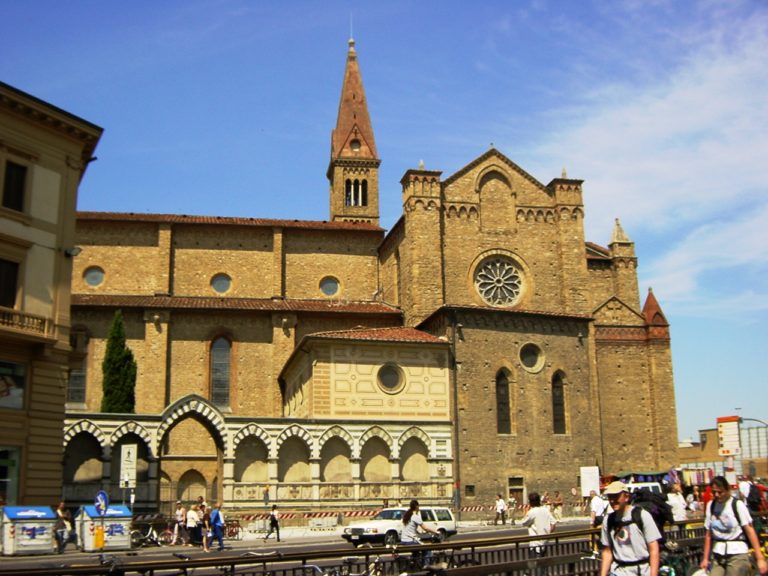
7. Rainy day plan. Especially in November and March, have a backup list: the Palazzo Pitti, the Bargello, lesser-known churches like Santa Maria Novella, or simply a long afternoon in a traditional Florentine cafe. See our guide on what to do in Florence when it rains.
How to Make the Most of Florence Without Wasting Time
Here is the honest truth: Florence is compact, but the logistics can eat your time. Figuring out bus routes, standing in ticket lines, and navigating confusing opening hours adds up quickly — especially if you only have 2 or 3 days.
This is where a private tour with a licensed guide genuinely pays for itself. Not the flag-waving group kind — a real, one-on-one experience where your guide adjusts to your pace and interests.
At Tour Travel & More, all Florence experiences include a licensed local guide, and most include a private driver with a luxury vehicle so you waste zero time on transportation. A few options worth looking at:
- 4-hour private city tour — ideal for a first visit or if you are passing through on a cruise itinerary
- Private Uffizi Gallery tour — a guide who explains the stories behind the art makes an enormous difference
- Accademia Gallery walking tour — see Michelangelo’s David with context, not just a quick photo
- Chianti day trip — vineyards, wine tasting, and Tuscan villages with door-to-door transport
- Pisa, San Gimignano & Siena — three iconic towns in one day, without the stress of driving
Frequently Asked Questions About Visiting Florence
What is the best month to visit Florence?
May, September, and October consistently offer the best balance of weather, crowds, and prices. If you prioritize quiet museums, January and February are excellent.
When is Florence least crowded?
January and February (excluding Carnival week). You can visit the Uffizi and Accademia with virtually no wait. November is also very quiet.
Is Florence worth visiting in summer?
Yes — with strategy. Start early, take a midday siesta, and save outdoor walks for late afternoon. Summer brings festivals and the longest evenings. Read our full guide to what to do in Florence in summer.
Is Florence good in winter?
Absolutely — especially for art lovers. Short museum lines, low prices, and authentic local atmosphere. Layer up and prioritize outdoor sightseeing during morning hours.
How many days do I need in Florence?
Two days cover the essentials if you plan well. Three days let you really breathe — add the Oltrarno, gardens, and a day trip. With a full week, you can also explore everything Florence has to offer at a relaxed pace.
What should I wear in Florence?
Spring and fall: layers (mornings and evenings can be 10 °C cooler than midday). Summer: light, breathable clothes plus a scarf or shawl for church visits. Winter: warm coat, waterproof shoes, and gloves for evening walks.
When should I book Uffizi and Accademia tickets?
Spring and summer: 2–4 weeks in advance minimum. Fall: 1–2 weeks is usually fine. Winter: a few days ahead works, but booking is still smart for preferred time slots.
Can I combine Florence with a Tuscany trip?
It is one of the best things you can do. September and October are ideal for vineyard visits and truffle season. The Florence-to-Tuscany 5-day route is a great starting point.
What is the cheapest time to visit Florence?
November through February (excluding Christmas and New Year’s week). Hotel rates drop 40–60 % compared to peak summer, and flight prices tend to follow. January is typically the absolute cheapest month.
Is Florence walkable?
Extremely. The historic center is compact — you can walk from the Duomo to Palazzo Pitti in about 15 minutes. A car is unnecessary and often a liability (ZTL restricted traffic zones cover most of the center).
The Bottom Line
The best time to visit Florence is whenever you can go — as long as you plan for the season. April through May and September through October deliver the most well-rounded experience. Winter is the smart pick for art lovers on a budget. Summer works if you embrace the local rhythm.
Florence is one of those rare cities that genuinely rewards every kind of traveler in every season. The difference between an average trip and an unforgettable one is not the month — it is how you spend your hours once you are there.
- Just your group
- Licensed guides
- Free cancellation


DISCOVER OUR
PRIVATE TOURS
IN THE MAIN
WORLD DESTINATIONS
We help you book with a 5% discount!
Write to us using the code “BLOG5”